REVIEW · EDINBURGH
5-Day Orkney and Highlands Tour from Edinburgh
Book on Viator →Operated by Highland Experience Tours · Bookable on Viator
Old stones on windy islands.
This 5-day trip is a smart way to get out of Edinburgh and into Scotland’s biggest swings: misty lochs and battlefield history, then straight into Orkney’s Neolithic world. I especially like the driver/guide storytelling that turns each stop into more than a photo. I also like the built-in four nights of accommodation plus breakfast, so you’re not juggling hotels and mornings on your own. One thing to keep in mind: the schedule is full, and if you’re sensitive to being on the move, you may feel a little rushed at times.
The tour is capped at 35 travelers, so it’s not a mega-bus feel. Still, you’re doing multiple stops each day, with ferry time and sightseeing blocks that can feel tight between bathroom breaks and queues. Comfort varies, and one review noted the bus itself felt dated—so bring patience and plan around the pace.
In This Review
- Key things that make this tour worth your time
- Leaving Edinburgh at 8:30: what the first day feels like
- Loch Lomond and the Trossachs: Highlands in miniature
- Glencoe National Nature Reserve: history with teeth
- Up the Great Glen toward Loch Ness and Inverness
- Day 2: crossing to Orkney and seeing WWII history at the Italian Chapel
- The ferry swing: part travel, part mood change
- Italian Chapel: a small building with a big backstory
- Day 3: Maeshowe and Skara Brae, where prehistory is the main character
- Maeshowe Chambered Cairn: Neolithic stone under a low sky
- Skara Brae: seeing how people actually lived
- Day 4: Kirkwall, John O’Groats, and a castle stop with falconry potential
- Kirkwall time: a breather before the mainland return
- John O’Groats: the photo stop where you can see both coasts
- Dunrobin Castle and Gardens: Duke of Sutherland, plus a falconry chance
- Day 5: Culloden Battlefield and Pitlochry’s last-minute Scotland shopping
- Culloden Battlefield: the last battle fought on British soil
- Pitlochry: finishing in the geographical center
- Value and comfort: what $1,305.54 is really paying for
- Your guide experience: when storytelling becomes the difference-maker
- Practical tips that will save your trip
- Should you book this 5-day Orkney and Highlands tour?
- FAQ
- FAQ
- What time does the tour start, and where do I meet?
- Where does the tour end?
- How many nights and breakfasts are included?
- Is admission included for the main sights?
- How much luggage can I bring?
- What happens if I cancel?
Key things that make this tour worth your time
- Guides who explain the sites, not just point at them: stories, context, and practical background help you leave with real understanding.
- Orkney’s prehistory gets real attention: Maeshowe and Skara Brae aren’t tacked on; you get solid time to take them in.
- A guided path from Loch Ness to Inverness: you see the Highlands big-picture first, then go deeper on the island side.
- Most major photo moments are scheduled: Loch Lomond, Glencoe viewpoints, Loch Ness area travel, John O’Groats, and Culloden.
- Breakfast is included every morning: it keeps mornings simple, especially on packed days.
- You’re not on hotel duty: four nights are covered, starting with your first night in Inverness.
Leaving Edinburgh at 8:30: what the first day feels like
You start at 8:30 am from 192 High St in Edinburgh, and you end back in the city on St Andrew Sq. After pickup, the day’s mission is clear: get you into Scotland’s wide open spaces fast.
You can also read our reviews of more tours and experiences in Edinburgh
Loch Lomond and the Trossachs: Highlands in miniature
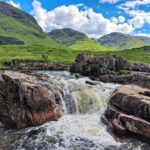
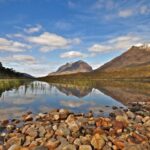
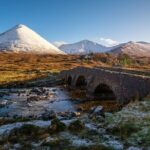
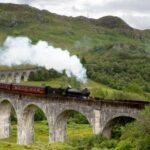
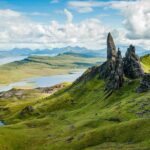
Your first stop is Loch Lomond and The Trossachs National Park. This is one of those places that looks like it was designed for Scotland clichés—lochs, hills, winding roads. The stop is brief (about 30 minutes), but it’s a good reset. You’ll get your first real Highlands views before the schedule tightens later in the trip.
My practical take: treat this as orientation. If you like landscapes—meaning actual scenery—use the short window to grab a couple of key shots and then just enjoy the air and views. Don’t try to do too much here.
Glencoe National Nature Reserve: history with teeth
Next comes Glencoe National Nature Reserve, another quick stop (about 30 minutes). This one is clearly chosen for drama: the scenery is striking, and the stories attached to the place are darker. The admission ticket is marked as not included, so don’t count on this being a paid attraction stop. Think viewpoints and context, not a museum marathon.
Up the Great Glen toward Loch Ness and Inverness
From there you head north along the Great Glen. You travel the length of Loch Ness and end in Inverness for your first night. Even if you’ve seen Loch Ness images before, it hits differently when you’re moving through the valley and hearing the guide’s explanation of how the area fits together.
Why this matters: it helps your brain connect the dots between place names you might read later. Inverness also gives you a natural base for the Highlands portion of the trip before Orkney flips the mood to islands and stone.
Day 2: crossing to Orkney and seeing WWII history at the Italian Chapel
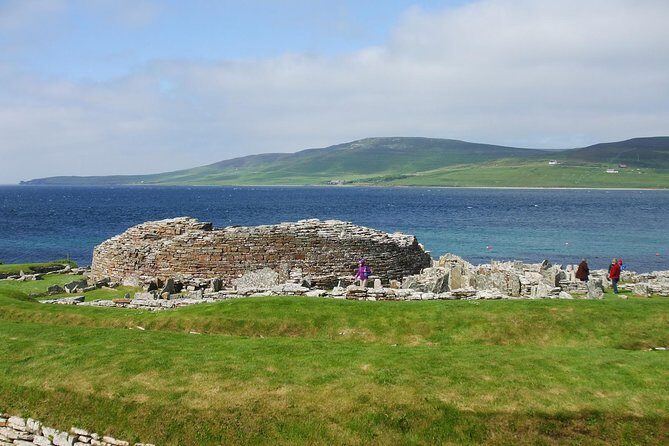
The second day is where the trip becomes its own thing. You take the ferry to Orkney (about 40 minutes on the schedule), and then the first stop is the Italian Chapel.


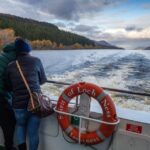
The ferry swing: part travel, part mood change
That ferry time is short enough that it doesn’t drag, but long enough to shift your mental gear. You’re leaving mainland Scotland behind and heading into a place with a different pace and a different kind of weather. Expect wind, and plan for it in your clothing.
Italian Chapel: a small building with a big backstory
The Italian Chapel stop is about 40 minutes, and admission is marked as not included. This is one of those sites that works even if you’re not a history buff, because the story is human and specific. It was built by Italian prisoners of war during WWII.
My advice: go in open-minded. It’s not just a landmark; it’s a reminder that the modern world still touches even the most remote places.
Day 3: Maeshowe and Skara Brae, where prehistory is the main character
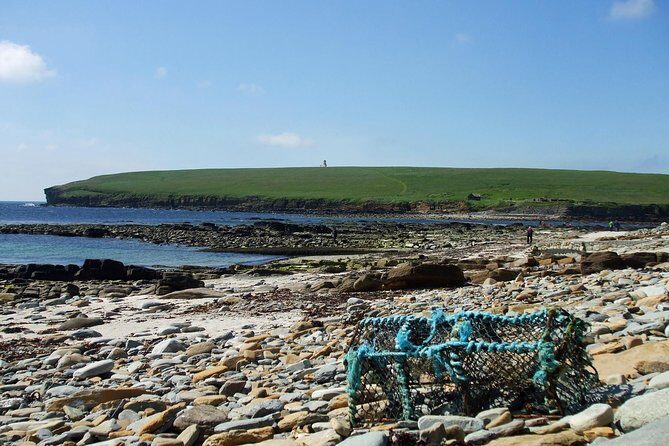
Day 3 is your prehistory day, and it’s a strong one. You get two major sites, and both are scheduled for about an hour each.
Maeshowe Chambered Cairn: Neolithic stone under a low sky
Maeshowe Chambered Cairn takes about an hour, with admission marked not included. This is Neolithic architecture at a big scale: chambered cairns built long ago, meant to last, meant to matter. The place works best if you listen to the guide’s explanation of what you’re looking at and why these sites were built this way.
One of the standout themes from the trip experience is how guides can bring this kind of site alive. In one review, Stefan was praised for detailed context and even a translation of the Orkney saga, along with the kind of explanations that help you connect words and place names to real meaning. Even if your guide isn’t doing the saga readings during your hours, the style is the same: explanations over vague pointing.
Skara Brae: seeing how people actually lived
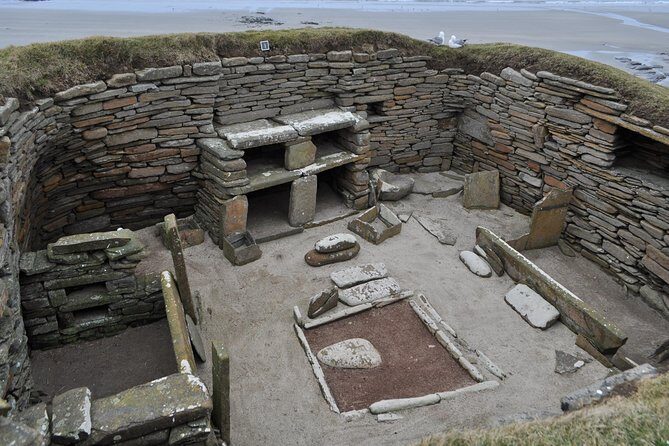
Skara Brae is next, about an hour, also marked as admission not included. Skara Brae is a pre-historic village unearthed by a storm in the 1850s. That fact alone makes it feel less like a “site” and more like a sudden discovery that changed archaeology forever.
Practical tip: wear shoes that handle uneven ground. You’ll be moving through a complex of structures, and comfortable footing beats fashion here. If it’s windy or wet, you’ll be glad you planned for it.
Day 4: Kirkwall, John O’Groats, and a castle stop with falconry potential
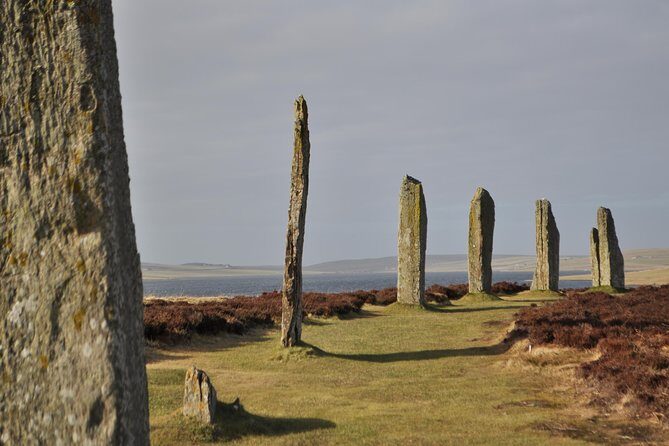
This day starts with a leisurely morning in Kirkwall. Then you ferry back to the mainland, and your afternoon is all about big-name stops and quick hits.
Kirkwall time: a breather before the mainland return
You’ll have morning time in Kirkwall, but the schedule doesn’t list an explicit paid attraction here. That flexibility is useful. Use it to orient yourself on Orkney’s hub town before you switch back to mainland driving.
John O’Groats: the photo stop where you can see both coasts
After the ferry, you go to John O’Groats for about 20 minutes. This is the only place listed where you can view both the east and west coasts of the UK simultaneously. It’s a classic photo stop, so expect wind and quick choices: shoot, look, breathe, move on.
My take: don’t overthink it. If you’ve always wanted that “both coasts” view, this is your moment. Keep your visit short so you don’t miss the rest of the day.
Dunrobin Castle and Gardens: Duke of Sutherland, plus a falconry chance
The next stop is Dunrobin Castle and Gardens. It’s scheduled for about 1 hour 30 minutes, with admission not included. You’re visiting the home of the Duke of Sutherland, and there’s a chance to see the daily Falconry display.
Important reality check: the schedule says there will be a chance, not a guarantee. Still, even without the display, castles plus gardens tend to be worth the stretch, especially after a couple of stone-and-history days. This stop breaks the tone with grand architecture and carefully kept grounds.
Day 5: Culloden Battlefield and Pitlochry’s last-minute Scotland shopping
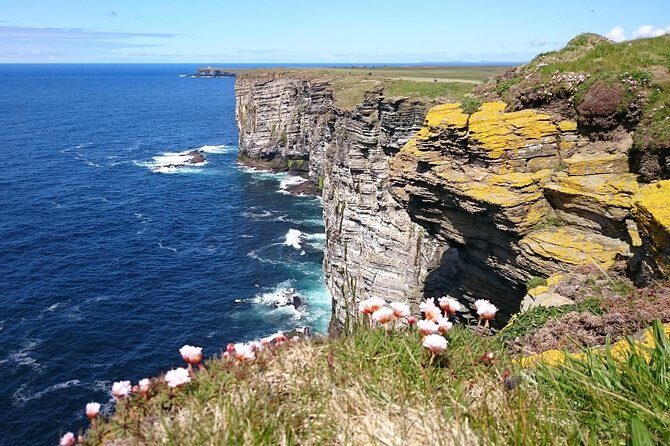
Your final day brings you back to Scotland’s modern-era history and then ends with a gentle close in Pitlochry.
Culloden Battlefield: the last battle fought on British soil
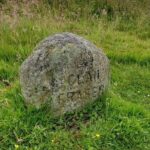
Culloden Battlefield is about 1 hour 30 minutes, with admission not included. This is the site of the last battle fought on British soil in 1746. You can wander the battlefield or visit the exhibition, depending on what you feel like doing that morning.
Why this lands: it’s not just “old history.” The story is tied to identity, power, and change, and it helps put later Scotland narratives in context. If you like history explained with clear pacing, this stop is a good way to end the tour’s chronological arc.
Pitlochry: finishing in the geographical center
The final stop is Pitlochry (about 40 minutes). It’s described as the geographical centre of Scotland, and you’ll have time for those last-minute gifts.
My advice: treat this as your travel reset. If your suitcase is packed tight, buy small, useful things. If you’ve been too busy to shop, use this final window.
Value and comfort: what $1,305.54 is really paying for
At $1,305.54 per person, this is not a budget impulse tour. But it’s also not purely a “bus ride with some stops.” What you’re paying for is the combination of:
- Four nights of accommodation included
- Five breakfasts included
- A driver/guide to move you between places and explain what you’re seeing
- Ferry time built into the itinerary on the Orkney days
- A trip length and route that connects major stops without forcing you to plan day-by-day
That said, comfort and lodging quality can vary. One review pointed out that the Inverness accommodation on the first night and the Kirkwall lodging weren’t ideal, while another review suggested choosing the double-occupancy option if you want a bit more comfort and modern feel. Another reviewer praised the guide while also saying the day-to-day pace sometimes felt rushed—so you may be trading comfort and free time for coverage.
My practical take on value: If you want a guided route that compresses Highlands plus Orkney into one clean package—without hotel planning—this price starts to look fair. If you hate tight timing, you might prefer a slower, independent approach.
Your guide experience: when storytelling becomes the difference-maker
Guides can make or break a tour. Here, the reviews strongly suggest that the guide experience is a core selling point.
Stefan was singled out for being extremely knowledgeable and generous with context—plus he added discretionary stops to show unusual spots and guided explanations tied to climate, terrain, and even birds flying by. Another guide named Iain was praised for balancing safety and wellbeing with enough time at each site, and for keeping the group upbeat with bus music and conversations. Fergie was also called out as excellent, but that same review noted the group felt rushed at times.
What you should do with that: if you want a smooth experience, bring curiosity. Listen closely on the bus and at each stop; this tour rewards attention. If you’re the type who wants long, silent wandering, you may need to adjust your expectations for how much time you get at each location.
Practical tips that will save your trip
- Pack for wind and quick changes. Orkney days can feel sharp and chilly even when the mainland is mild.
- Mind your luggage limits: max 15 kg per person, with size 55cm x 40cm x 20cm plus a small carry on.
- Expect a packed day rhythm. Bathroom breaks may not align with your personal comfort schedule—plan ahead when you can.
- Don’t assume every site is paid-included. Some stops are marked not included for admission, while others are marked free; plan to budget for tickets where needed.
- Choose your room type if comfort matters to you. The tour offers single and double/twin options, and one review suggested the double-occupancy route for travelers who prefer more comfort.
Should you book this 5-day Orkney and Highlands tour?
I’d book it if you want a guided, high-coverage route that takes you from Loch Lomond and Glencoe up into Loch Ness and Inverness, then across to Orkney for Maeshowe and Skara Brae, and finishes at Culloden with a calm close in Pitlochry. It’s a strong fit if you like learning as you go and you want your “first Scotland beyond the city” to feel complete.
I’d think twice if you hate tight timing, dislike rushed transitions, or need consistently high-comfort lodging and long free periods at each stop. This tour gives you breadth—then it asks you to keep up.
FAQ
FAQ
What time does the tour start, and where do I meet?
The tour starts at 8:30 am at 192 High St, Edinburgh EH1 1RW, UK.
Where does the tour end?
The tour ends at 22 St Andrew Sq, Edinburgh EH2 1AY, UK.
How many nights and breakfasts are included?
You get four nights of accommodation and five free breakfasts during the trip.
Is admission included for the main sights?
Some stops are marked as admission ticket free (like Loch Lomond and The Trossachs National Park, Orkney Islands, John O’Groats, and Pitlochry), while other major stops are marked not included (like Glencoe National Nature Reserve, The Italian Chapel, Maeshowe Chambered Cairn, Skara Brae, Dunrobin Castle and Gardens, and Culloden Battlefield).
How much luggage can I bring?
You can bring up to 15 kg per person. The maximum size is 55cm x 40cm x 20cm per person, plus a small carry on.
What happens if I cancel?
This experience is non-refundable and cannot be changed for any reason. If the minimum number of travelers isn’t met and the tour is canceled, you’ll be offered a different date/experience or a full refund.
If you want, tell me your travel dates and what kind of pace you like (slow and deep vs fast and full). I can help you decide if this route fits your style.