REVIEW · ISLE OF SKYE TOURS
5-Day Tour to Isle of Skye, Oban, St Andrews and Highlands
Book on GetYourGuide →Operated by The Hairy Coo · Bookable on GetYourGuide
The Highlands hit fast on day one. This 5-day route out of Edinburgh lines up Loch Lomond views, rugged glens, and the kind of Skye scenery that makes you stop talking and just look.
I especially like the mix of stops: real walking and viewpoints, plus enough bus time to rest your legs without losing the story of the region. My other favorite part is the Skye day—Trotternish and the Quiraing give you dramatic geology on a road-trip schedule that still feels organized.
One possible drawback: it is a long days-on-the-road itinerary, and optional add-ons depend on the season, so you’ll want to plan your expectations and your shoes.
In This Review
- Key points worth your attention
- Starting in Edinburgh: Loch Lomond, Inveraray, and the ancient Dunadd site
- Oban to Glencoe to Loch Ness: viaduct views, whisky choices, and castles
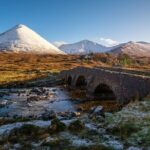
- Isle of Skye’s Trotternish Peninsula: Old Man of Storr, Kilt Rock, and the Quiraing
- North Highlands day: Corrieshalloch Gorge, Ardvreck Castle, and Ullapool
- Clava Cairns, Culloden, and St Andrews: from 4000-year stones to the oldest university
- Tour pace, comfort, and what “small group” really means
- Price and value: what $428 covers and what you must budget
- Optional add-ons that can change your day (and run by season)
- Where you sleep: Oban, Portree, and Inverness (and how to plan dinners)
- Should you book this Scottish Highlands and Skye tour?
- FAQ
- Where does the tour start and when does the bus depart?
- What is included in the price?
- What is not included in the tour price?
- Which activities are seasonal?
- How big is the group?
- Is the tour suitable for children or wheelchair users?
Key points worth your attention
- A small group pace with time for short hikes and photos, not just window scenery
- Isle of Skye’s headline sites: Old Man of Storr, Kilt Rock, and the Quiraing
- The best “Scottish postcards” come in clusters around Eilean Donan and the meeting of three lochs
- Seasonal extras that matter: Museum of Island Life and the Loch Carron seal cruise run April to October
- History shows up in layers from Dunadd to Clava Cairns to Culloden and then St Andrews
Starting in Edinburgh: Loch Lomond, Inveraray, and the ancient Dunadd site
You start in Edinburgh at 1759 Regent Rd, meeting by the Burns Monument. Check-in begins at 8:00 AM and the bus departs at 8:15 AM sharp, which means you’ll get your first proper day of scenery before most people have even finished breakfast.
Day 1 takes you north through Scotland’s Central Belt and into Highland country with a first major stop at Luss, right on the shores of Loch Lomond. If you like Scotland at its classic postcard best, this is a solid way to begin—water, hills, and a calm feel that contrasts nicely with the later craggy coast.
Next comes the steep pass in the village of Inveraray, known for Rest and be Thankful. Inveraray also brings seafood into the mix, and it’s a good moment to grab a snack if meals aren’t included for your plan.
Then you hit Dunadd Iron Age Fort, the coronation site connected to kings and queens of Dalriada. This stop is valuable because it gives context for why so much of Scotland’s story is tied to places, not just dates. If you enjoy history, you’ll likely appreciate how the route doesn’t treat the Highlands like a theme park—there’s purpose behind the stops.
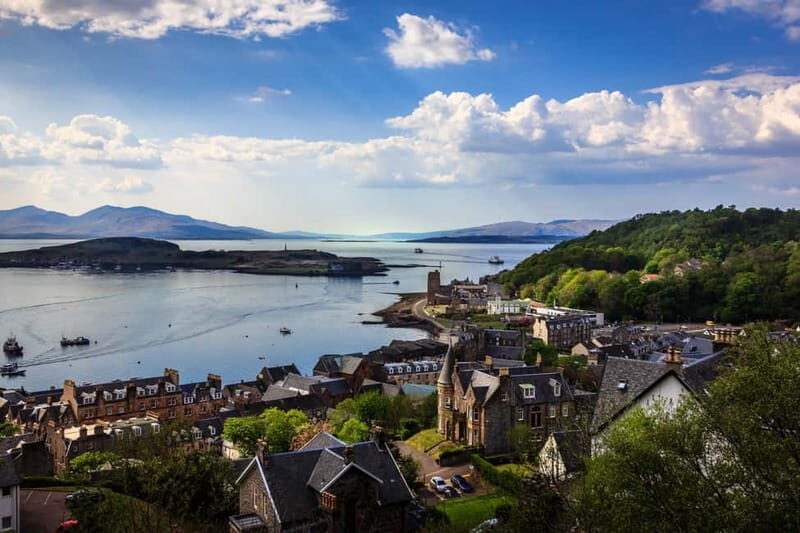
From there, the tour continues via Kilmartin and Argyll scenery to the fishing town of Oban, where you sleep for the first night (overnight accommodation is your responsibility). Oban is a smart first base because it’s convenient for moving the route along while keeping you in a lively coastal town vibe.
You can also read our reviews of more tours and experiences in Edinburgh
Oban to Glencoe to Loch Ness: viaduct views, whisky choices, and castles
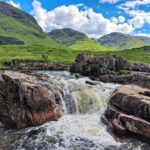
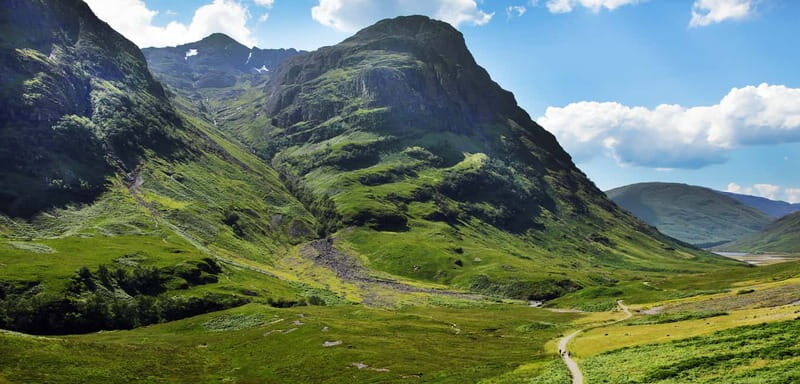
The next day starts with a highlight that many people treat as Scotland’s mood board: Glencoe. You’ll do a short hike and photograph stop, and that small amount of walking matters. It’s often the difference between seeing the glen and actually feeling the scale of it.
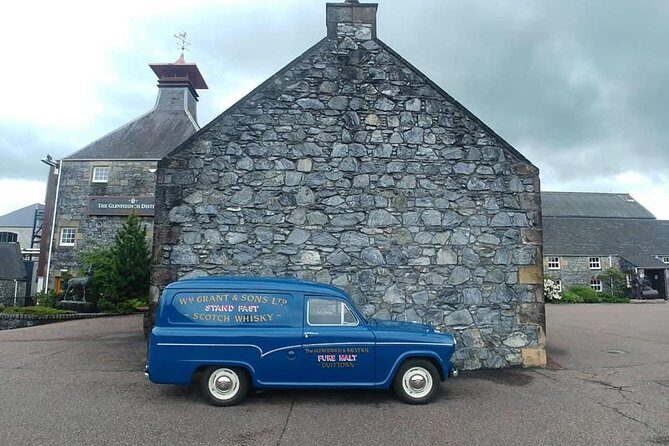
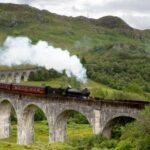
After the Glencoe stop, the route moves toward Glenfinnan Viaduct, a location that hits two notes at once: scenery and pop-culture recognition. From there you reach Fort William, where you’ll choose between a tour of the Ben Nevis Whisky distillery or a visit to Inverlochy Castle and Neptune’s Staircase.
This is one of those practical decision points. If you want whisky flavor and a guided distillery component, pick Ben Nevis Whisky. If you’d rather focus on historic structure and the built heritage around Fort William, go with Inverlochy Castle and Neptune’s Staircase. Either choice keeps the day moving, but your interests should drive the selection.
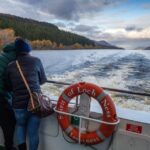
Then the route heads toward Loch Ness for photos of Nessie. You’re not signing up for a long boat day here, so think of this as a quick, memorable viewpoint stop. You’ll get the iconic moment, and then the bus keeps rolling.
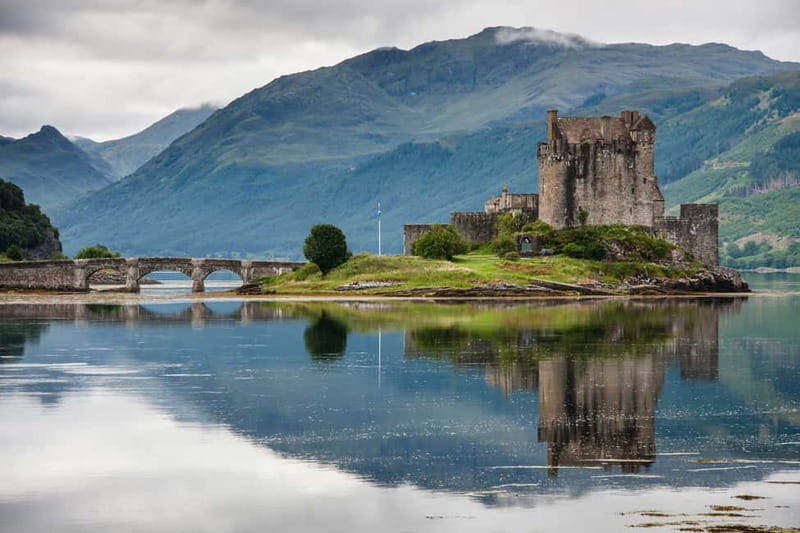
As you continue north, the itinerary passes Glenshiel and the Five Sisters of Kintail area, then lands you at the meeting point of three lochs: Loch Duich, Loch Long, and Loch Alsh. This is where Eilean Donan Castle becomes part of a bigger scene, not just a single stop. The castle with the surrounding water gives you that “wait, that’s real?” feeling—especially if the weather cooperates.
Isle of Skye’s Trotternish Peninsula: Old Man of Storr, Kilt Rock, and the Quiraing
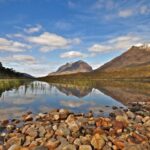
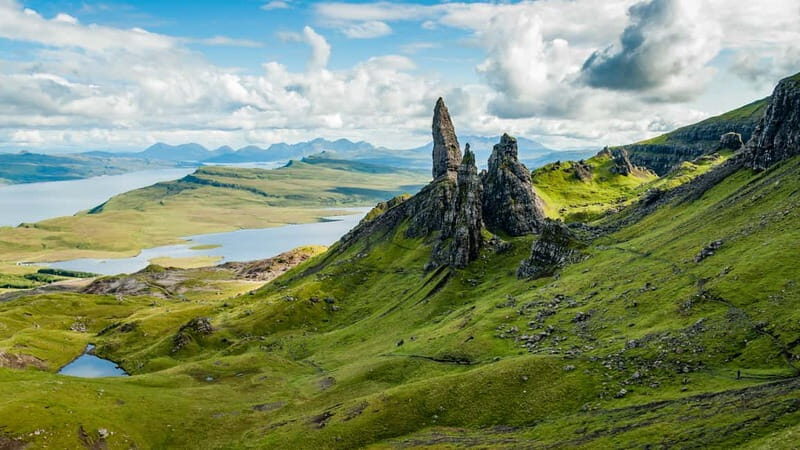
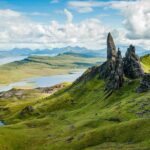
Day 3 is the Skye day, and it’s built around the most famous terrain: the Trotternish Peninsula and the Quiraing. The Old Man of Storr stop is a classic for a reason—you’re looking at sharp, rugged shapes and a view that makes you understand why people talk about this island like it has its own rules.
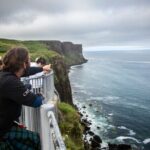
Next up is Kilt Rock, followed by the Quiraing. The Quiraing can feel otherworldly, and the tour adds local folklore to the landscape. That storytelling angle helps you connect the geography to imagination and older ways of explaining what you’re seeing.
You’ll also visit the Museum of Island Life. This one is optional and seasonal, running April to October only, so if you travel outside that window you’ll want to check what’s possible on your dates. Still, even as optional, it’s a helpful counterbalance to all the rocks and viewpoints. It can ground the day in how people lived here beyond what you can photograph.
The route then loops around north Skye for views toward the Torridon Mountains and, depending on conditions, over toward the Outer Hebrides. After that, you travel through the Cuillin Mountains area, cross into Kyle of Lochalsh, and head to Plockton.
Plockton is the kind of place you can picture in your head even before you arrive: small, coastal, and easy to enjoy on a clear day. In summer season (April to October), you can add a seal spotting cruise along the coast on Loch Carron, and yes, the tour notes palm trees along that stretch. It’s a quirky detail, but it also signals how microclimates work around the west coast.
North Highlands day: Corrieshalloch Gorge, Ardvreck Castle, and Ullapool
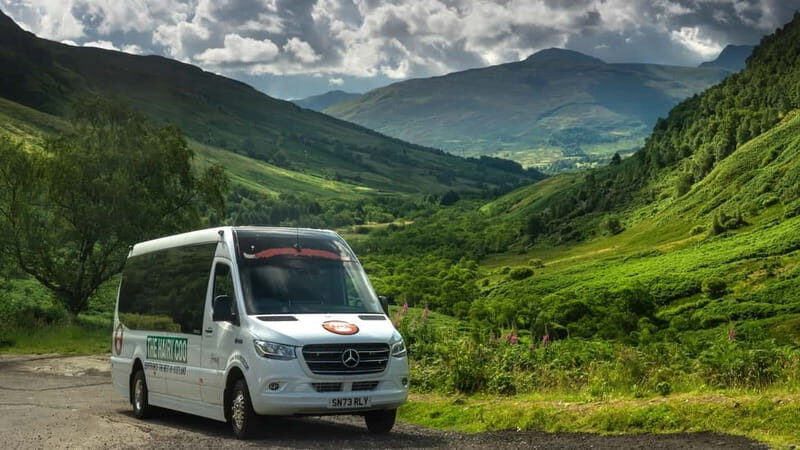
Day 4 takes you deeper into the North Highlands, and it starts with Corrieshalloch Gorge. You’ll hear that it’s Scotland’s deepest gorge, and the stop is designed for you to see and photograph the scale without needing an all-day climb. If you’re the type who likes viewpoints that do not require heroic effort, this is a good match.
From there, the tour travels portions of the North Coast 500 route. You’ll pass towering peaks on the drive to Ardvreck Castle, where you can look at an ancient ruin. Ruins like this are valuable in a different way than museums. They let you imagine how people worked with what the land gave them—rock, shelter, routes, and natural defenses.
Next you visit Knockan Crag to learn more about the local geology. This is one of the “science meets scenery” stops, and it’s useful because the Highlands can feel like pure drama. Geology adds the why behind the shape.
After lunch, you reach Ullapool. Then the day shifts to gentler nature with Rogie Falls and forest trails. This combination is smart. After a day of rock and castles, you get a calmer walk and the chance to slow down.
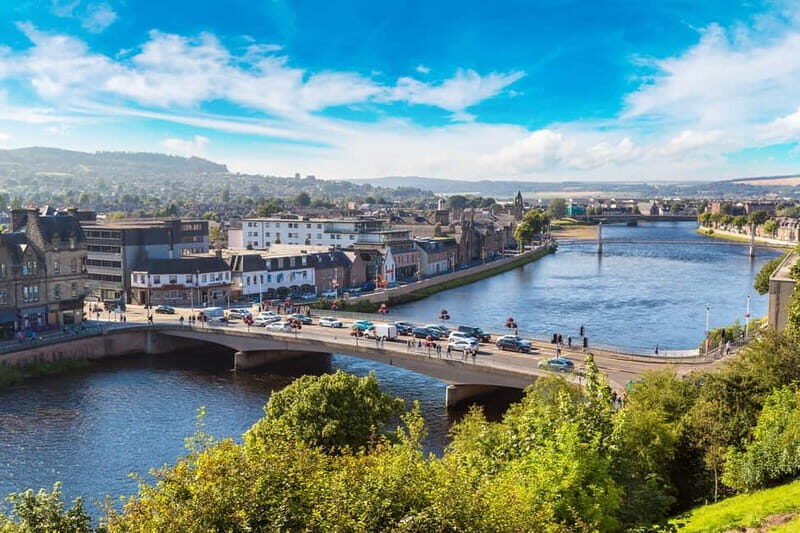
Then you loop back toward Inverness and sleep in the Highland capital for the night. It’s a practical end-of-day base because you’ll be ready for the big history finale the next morning.
Clava Cairns, Culloden, and St Andrews: from 4000-year stones to the oldest university
Your last day starts at Clava Cairns, with standing stones and burial chambers dating back around 4000 years. This stop sets a serious tone. Even if you’re not a hardcore history person, the scale of time tends to land fast when you’re actually standing there.
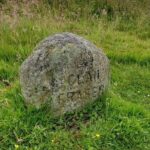
After that, you go to Culloden Battlefield, the last battle fought on British soil. This is one of those moments where the route’s timing matters. You’re not just getting a viewpoint; you’re getting a place where the story is anchored to the ground. Give it the respect it deserves and take your time walking through.
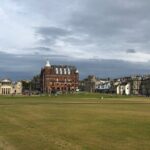
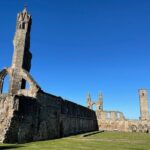
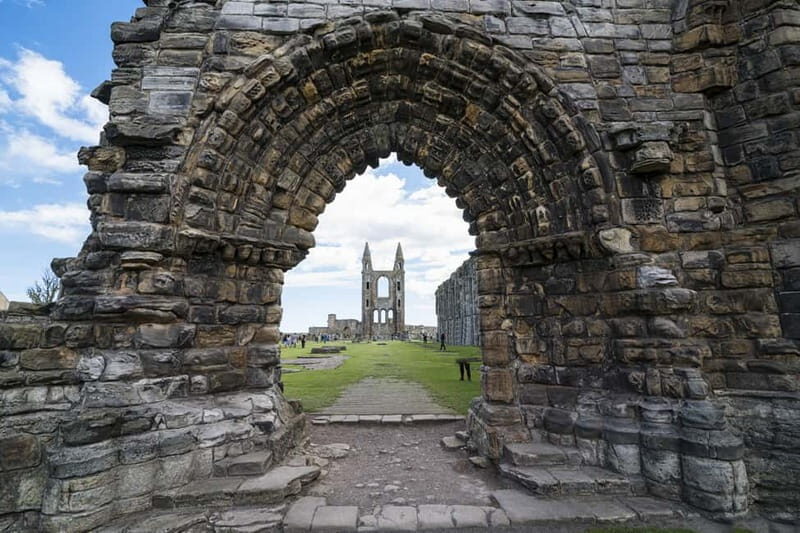
You then pass through Cairngorms National Park, and the tour keeps moving toward Fife. The final stop is St Andrews, a medieval walled town with St Andrews University and St Andrews Cathedral.
The world-famous Old Course is right in the mix too, and even if golf isn’t your thing, the setting is part of the charm. You’re finishing in a town that feels established, walkable, and anchored in daily life, not only in tourist views.
In the evening, the route winds back through fishing villages of Fife, crosses the Forth Road Bridge, and heads back to Edinburgh. Day 5 is long, and that’s why it helps to have realistic expectations about arrival time. The tour estimates a return to Edinburgh at around 6:30 PM, so build in a buffer for any onward plans.



Tour pace, comfort, and what “small group” really means
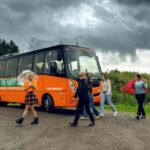
This is a guided 5-day tour with a driver and live guide in English, and the bus is air-conditioned. In practical terms, that matters because the itinerary is road-heavy. You’ll spend a lot of hours traveling, and comfort helps the whole trip feel smoother instead of exhausting.
The group size is limited to 16 participants, and there’s also a specific note that groups over 8 passengers should be private. Either way, you’ll get a smaller-group feel than big coach tours, which can make photo stops and timing more manageable.
You’ll also want comfortable shoes and clothes. There are short hikes and walking stops, plus uneven ground at viewpoints and heritage sites. This tour is not suitable for wheelchair users or people with mobility impairments, so choose it only if you’re comfortable with that reality.
One extra note that has real value: the guide quality can make long days feel easier. On this kind of route, guides who can mix geography and humor tend to win. You may find a guide like Stephen or Michael bringing a lively, story-driven style that keeps the day from turning into just driving from one name to another.
Price and value: what $428 covers and what you must budget
At about $428 per person, the headline value is that you’re paying for transport plus expert guidance across five days. You’re also getting an air-conditioned bus and a structured route that hits major Highlands highlights without needing to rent a car and manage driving logistics yourself.
What you don’t get included is where your budget can surprise you. Meals and drinks are not included, so you’ll pay for lunches along the way and dinners at your stops. Also, you handle four nights of accommodation in Oban, Portree, and Inverness on your own. That cost can swing a lot depending on the season and where you book.
Then there are optional experiences that can add up if you say yes to everything. These include a whisky distillery tour, the Museum of Island Life, and a seal spotting cruise in the right months. The St Andrews cathedral museum and tower can also be optional.
So is it worth it? For many people, yes, because you’re buying two things that are hard to reproduce alone: consistent planning across the Highlands, and local context from a guide. If you like spontaneity and flexible stopping, it’s less ideal. If you want the highlights in an efficient order with a guide behind it, this price can feel fair.
Optional add-ons that can change your day (and run by season)
This trip includes several choices, and when you travel matters. The Ben Nevis Whisky distillery visit is optional in the Fort William window. If you’re a whisky fan, this can be a nice cultural break from scenery-heavy days.
The Museum of Island Life is optional and seasonal, running April to October. If your dates line up, it’s a good way to understand island living rather than just looking at it.
The seal spotting cruise is also optional and seasonal (April to October). It’s planned around Plockton on Loch Carron, and it sounds like one of those moments that adds variety to your photos—moving water, wildlife spotting, and a different angle on the coast.
In St Andrews, the cathedral museum and tower are optional. If you want to go deeper into architecture and the site experience beyond the exterior, this can be worth it.
Where you sleep: Oban, Portree, and Inverness (and how to plan dinners)
Accommodation isn’t included, so you’ll want to book early. The tour specifically recommends you do this urgently because places get booked up fast.
You’ll have convenient drop-off and pick-up points in each town, including Oban (Station Road), Portree (Somerled Square), and Inverness (in front of Inverness Cathedral on Ardross Street). When you research hotels or rentals, stick close to those points to reduce time lost to transfers.
Portree is a key evening. The tour notes that you’ll arrive in Portree at about 18:30 in the evening, and it strongly recommends you reserve a pub or restaurant dinner if you want a table. That’s practical advice. Portree can be busy, and walking around hungry late is not the fun kind of surprise.
In Inverness, you’ll also appreciate staying centrally since your last day heads out early for Clava Cairns and Culloden. Easy access reduces stress.
Should you book this Scottish Highlands and Skye tour?
Book it if you want a structured Highlands route that hits the big names in the right order—Loch Lomond, Skye’s main geology highlights, Eilean Donan, and the history-heavy finale at Culloden and St Andrews. It’s a great option for people who don’t want to drive the North Highlands alone and who like guided context as much as scenic stops.
Skip it (or at least reconsider) if you hate long travel days, or if you need fully accessible routes on foot. This trip includes short hikes and walking stops, and the provider lists it as not suitable for wheelchair users and not suitable for people with mobility impairments.
If you do book, plan around the optional parts. Check whether your dates fall in April to October for the Museum of Island Life and the Loch Carron seal cruise, and decide whether you want the Ben Nevis whisky tour option at Fort William.
FAQ
Where does the tour start and when does the bus depart?
You meet at 1759 Regent Rd, Edinburgh EH8 8DR, in front of the Burns Monument. Check-in starts at 8:00 AM and the bus departs at 8:15 AM sharp.
What is included in the price?
The tour includes a driver and tour guide, a guided 5-day tour, and an air-conditioned bus.
What is not included in the tour price?
Meals and drinks are not included. Overnight accommodation for 4 nights in Oban, Portree, and Inverness is also not included, plus optional experiences like the whisky distillery tour, Museum of Island Life, seal cruise, and St Andrews cathedral museum and tower.
Which activities are seasonal?
The Museum of Island Life and the seal spotting cruise are seasonal and run from April to October. The route itself may also change seasonally from November to March.
How big is the group?
The tour is limited to 16 participants. The operator also notes that groups over 8 passengers require private tour booking.
Is the tour suitable for children or wheelchair users?
It is not suitable for children under 7 years. It is also not suitable for wheelchair users or people with mobility impairments.