REVIEW · OLD TOWN WALKING TOURS
Edinburgh: Old Town Private Walking Tour with Historian
Book on GetYourGuide →Operated by Authentic Edinburgh Tours · Bookable on GetYourGuide
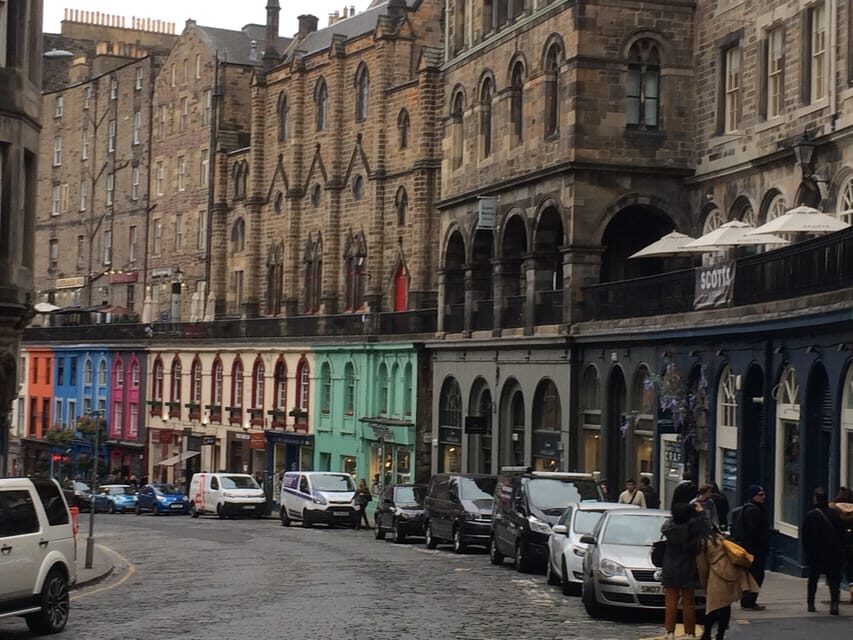
Edinburgh’s Old Town has stories in every step. On this private walking tour with a PhD historian in Scottish history, you don’t just look at landmarks—you ask questions and get the why behind the what. I like that the Old Town streets, including the tight closes and wynds, turn the city into a living timeline instead of a list of sights.
My second favorite part is the route itself. You work through major places like St Giles Cathedral, the Parliament buildings, and the churchyards of Greyfriars and Canongate, with regular moments to stop and look out toward Edinburgh Castle and Holyrood Palace. The one drawback: it’s still a walking tour for about 3 hours, so bring comfortable shoes and plan for Scotland’s weather.
In This Review
- Key points that make this Old Town walk worth your time
- Why a historian-led Old Town walk beats a guidebook
- Meeting at the National Museum: start points that actually work
- Getting oriented fast in Edinburgh’s closes and wynds
- St Giles Cathedral and the Parliament buildings: power in stone
- Greyfriars churchyard: the quiet side of Edinburgh
- Canongate churchyard: another angle on Scotland’s capital
- Writers’ Edinburgh: from Stevenson to Rowling
- Edinburgh Castle and Holyrood Palace: viewpoint moments you’ll want
- Price and private-group value: what you’re really paying for
- Food planning without slowing your day
- Practical tips for a smooth 3-hour walk
- Should you book this Old Town tour with a PhD historian?
- FAQ
- How long is the Edinburgh Old Town private walking tour?
- What is the meeting point for the tour?
- How much does the tour cost, and what group size is it for?
- What’s included in the price?
- Is food or drinks included?
- Is the tour available in English?
- Is the tour wheelchair accessible?
- What should I bring?
- FAQ
- What is the cancellation policy?
- Is there a reserve now, pay later option?
Key points that make this Old Town walk worth your time
- A PhD Scottish-history guide who can explain the city’s past with real context
- Close-and-wynd walking that makes Edinburgh’s layout instantly make sense
- Greyfriars and Canongate churchyards for atmosphere, history, and memorable storytelling
- Iconic viewpoints toward Edinburgh Castle and Holyrood Palace
- A private group setup that keeps questions and pace under your control
Why a historian-led Old Town walk beats a guidebook
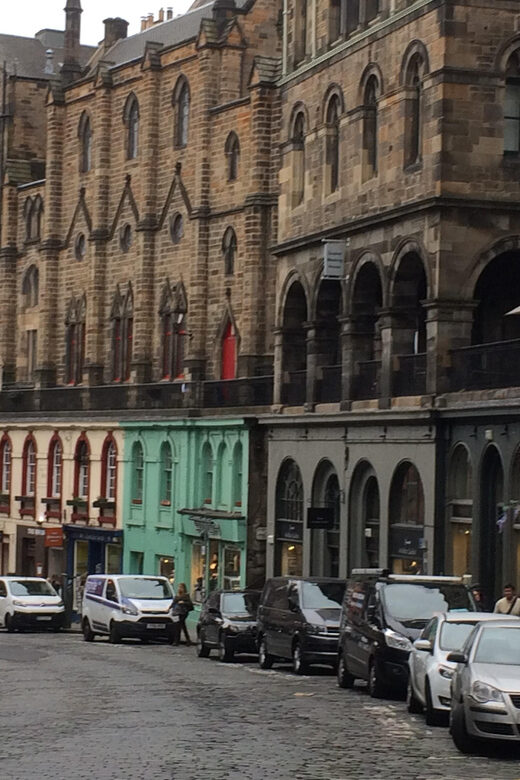
Edinburgh can feel like two cities at once. There’s the postcard view from the Royal Mile, and then there’s the quieter maze just off it, where the buildings lean in and the streets narrow. That’s where this tour does its best work.
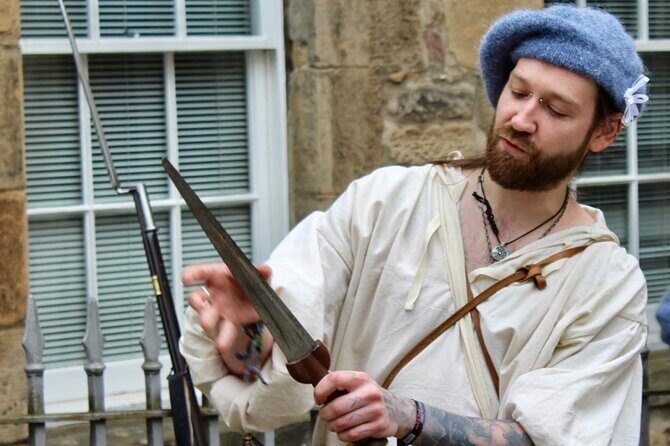
A guide with a PhD in Scottish history changes the tone. You’re not just hearing dates. You’re hearing what those dates meant for real people—power, belief, money, and everyday life—mapped directly onto the streets you’re standing on. I also like the conversational style: the tour is designed for discussion, not a lecture where you rush to the next stop.
And because it’s private (up to 10 people per group), you’re not stuck with a one-size-fits-all pace. If you want to slow down for an architectural detail, you can. If you’d rather move faster to reach the views, you can. That flexibility matters in the Old Town, where cobblestones and tight alleys can either be charming or exhausting depending on how your day is going.
You can also read our reviews of more walking tours in Edinburgh



Meeting at the National Museum: start points that actually work
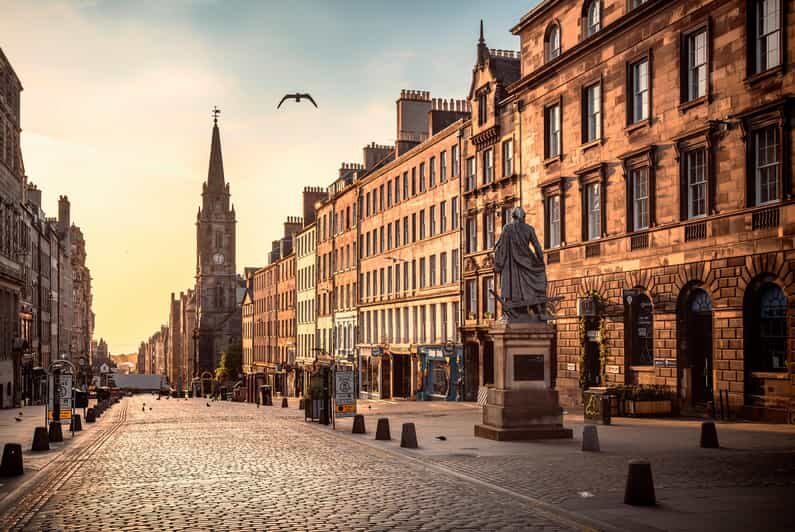
You meet in front of the National Museum of Scotland, at the large statues. Your guide will be between the two statues. It’s a clear, central meeting point, and it helps you avoid the common first-day stress of guessing where a meeting spot really is.
Plan to arrive a few minutes early so you can settle your gear. Bring water, and if you’re sensitive to weather, bring something you can layer. This tour is outdoors for the full walk, and Edinburgh can swing from bright to drizzle fast.
Getting oriented fast in Edinburgh’s closes and wynds

The most “Edinburgh” part of the Old Town is often what’s off the main street. The city’s distinctive closes and wynds are like shortcuts into the past. They’re narrow lanes between buildings, built and used over centuries, and walking them makes the Old Town feel human instead of staged.
On this tour, those side streets aren’t treated like filler. They’re used to explain how the Old Town grew, how different areas functioned, and why certain buildings matter. You’ll learn the stories behind the layout—how people moved, where community life happened, and why some places became centers of influence.
I like this approach because it also helps you later, when you’re exploring on your own. Once you’ve walked the pattern once with a guide, you’re more likely to find your way back. You’ll also spot details you might otherwise miss, like the uneven heights of buildings, the way streets funnel toward landmarks, and the “hidden” sense of scale you only notice when you’re walking.
St Giles Cathedral and the Parliament buildings: power in stone
Your route includes St Giles Cathedral, which is one of the anchors of Edinburgh’s skyline and a key site for understanding Scottish civic and religious life. This is the kind of place where the architecture can look stunning but also confusing if you don’t know what you’re seeing. A historian guide helps connect those visual cues to the big themes of the country.
From there, you’ll also see two Parliament buildings. Even if you already know the basics, it helps to stand in the right spot and hear how the buildings relate to shifts in politics over time. The Old Town is packed with power signals—institutions, meeting halls, and grand civic spaces—and this part of the walk shows how those signals evolved.
Two practical notes here:
- Expect more time at stops where you can look up and around. If you’re carrying a camera, make sure you’ve got what you need ready.
- Wear shoes that handle uneven ground. This area is active and historical at the same time, which means you’ll be standing and walking frequently.
Greyfriars churchyard: the quiet side of Edinburgh
Greyfriars is one of the tour stops that tends to stick with people because it’s calm in a way the main streets aren’t. You’ll visit a historic churchyard, and the guide uses it to bring the past closer—how communities formed, what these burial grounds meant, and how the area fits into the broader story of the city.
What I like here is how the atmosphere does some of the work for you. Even if you’re not the type to love cemeteries, churchyards like Greyfriars help you understand that history isn’t only about kings and wars. It’s also about local identity and continuity.
This stop also gives your legs a mental break. You’re still walking, but you’re also pausing in a place built for stillness. That balance helps on a three-hour schedule.
You can also read our reviews of more private tours in Edinburgh





Canongate churchyard: another angle on Scotland’s capital

Next up is Canongate, the other historic churchyard on the route. If Greyfriars feels intimate and reflective, Canongate often reads differently in mood and focus, so the pair works well together. You’re not repeating the same stop twice. You’re comparing two pieces of the Old Town’s human story.
Your guide connects Canongate to the surrounding landmarks you see elsewhere on the walk. That matters because it stops the churchyard visit from becoming a standalone moment. Instead, it becomes part of the pattern—how neighborhoods shaped lives, how religious and civic traditions overlapped, and how the Old Town’s identity built over time.
If you’re someone who likes stories with a bit of mood, you’ll probably appreciate this section more than you expect.
Writers’ Edinburgh: from Stevenson to Rowling

One of the most fun parts of the tour is the way your guide connects the Old Town to famous writers. This isn’t just name-dropping. The guide links Edinburgh locations to creativity and storytelling, explaining how the city’s character fed writers from earlier eras to modern pop culture.
You’ll hear connections to Edinburgh natives like Robert Louis Stevenson, Arthur Conan Doyle, and Walter Scott. The tour also touches writers associated with the city and broader literary influence, including Bram Stoker, Mary Shelley, and J. K. Rowling.
I like this angle because it’s easy to remember. When you learn a place through the works it inspired, it doesn’t fade after the tour. Later, when you’re back in a bookshop or watching an adaptation, the Old Town becomes part of the mental picture.
It’s also a good reminder that cities write stories too. Edinburgh’s streets and buildings don’t just stand there. They shape imagination.
Edinburgh Castle and Holyrood Palace: viewpoint moments you’ll want
Two big highlights on this walk are the views toward Edinburgh Castle and Holyrood Palace. You’ll appreciate the skyline connections as you move through the Old Town, and your guide times the sightlines so you’re not just looking once—you’re seeing the relationship between major sites.
This matters because Castle and Holyrood aren’t just separate landmarks. They’re part of the city’s overall power geography: heights versus offices, symbolic places versus administrative places, all stitched together by the way people historically traveled through the Old Town.
A practical point: bring your camera, but don’t assume the perfect photo is one second away. The streets are narrow and busy, and the best angles often require stepping slightly aside, then pausing long enough to frame. If you’re planning to photograph, you’ll enjoy this section more when you give yourself patience.
Price and private-group value: what you’re really paying for
The price is $217 per group, up to 10 people, for a 3-hour private walking tour with the included guide and walking tour.
At first glance, private walking tours can feel pricey. Here’s what makes the value clearer: you’re not paying just for a route. You’re paying for an expert guide with deep context, plus the fact that the tour is flexible enough to support questions and conversation. That’s hard to get with self-guided sightseeing or big bus-group tours.
Also, three hours is a sweet spot. It’s long enough to cover major landmarks like St Giles Cathedral, the Parliament buildings, the churchyards of Greyfriars and Canongate, and the Castle/Holyrood view moments. It’s short enough that you still have time to explore the rest of the Old Town after you finish, instead of feeling like you spent your whole day tied to the tour.
And since food and drinks aren’t included, the tour doesn’t lock you into a set meal plan. Instead, your guide helps point you toward good places to eat and smaller finds along the way, so you can choose based on your preferences and budget.
Food planning without slowing your day
Even though food isn’t included, the tour is designed with real-world pacing in mind. Your guide will suggest best places to eat and help you spot less obvious spots throughout the Old Town.
Here’s how I’d use that: if you’re hungry, plan for a meal right after the tour, not during it, unless the group naturally pauses in a way that feels comfortable. You’ll move through landmarks and churchyards where you’ll likely want to stay present, so grabbing snacks mid-walk can break the flow.
Bring water, and if you know you get hungry quickly, keep a small snack for later. That way you can focus on the history during the tour, then eat when it feels right.
Practical tips for a smooth 3-hour walk
This walk is outdoors and mostly on foot. Here’s what to bring and what to expect:
- Comfortable shoes are non-negotiable on the Old Town’s ground.
- Umbrella is smart. Weather shifts happen often.
- Outdoor clothing for layering so you can adjust quickly.
- Camera for Castle and Holyrood view angles.
- Water so you don’t ration yourself mid-route.
Also, consider what you want from the day. If you like asking questions and connecting places to stories, this is your kind of tour. If you prefer quiet sightseeing with minimal talking, you might find a historian format takes a bit more attention than you’d like. In that case, you can still enjoy the sights, but you’ll get the most value if you’re willing to listen and interact.
Should you book this Old Town tour with a PhD historian?
I’d book it if you want a guided walk that explains the Old Town’s meaning, not just its name. The combination of a private format, major landmarks like St Giles Cathedral, Greyfriars and Canongate, and the Castle/Holyrood viewpoint moments makes it efficient and memorable. If you’re the kind of person who likes history but also wants it to feel relevant, this tour connects Scotland’s past directly to the streets you’re walking.
I’d hesitate if you’re dealing with mobility limits or you know a three-hour walk won’t work for you on uneven ground. The tour is wheelchair accessible, but you should still think about your comfort with street-level movement and time outdoors.
If you want to get your bearings fast and leave with a real sense of how Edinburgh formed into what you see today, this is a strong choice.
FAQ
How long is the Edinburgh Old Town private walking tour?
It lasts 3 hours.
What is the meeting point for the tour?
You meet in front of the National Museum of Scotland, between the two large statues.
How much does the tour cost, and what group size is it for?
It costs $217 per group, up to 10 people.
What’s included in the price?
The tour guide and the walking tour are included.
Is food or drinks included?
No. Food and drinks are not included.
Is the tour available in English?
Yes, the live tour guide speaks English.
Is the tour wheelchair accessible?
Yes, the tour is wheelchair accessible.
What should I bring?
Bring comfortable shoes, an umbrella, a camera, water, and outdoor clothing.
FAQ
What is the cancellation policy?
You can cancel up to 24 hours in advance for a full refund.
Is there a reserve now, pay later option?
Yes. You can reserve now and pay later to keep your plans flexible.