REVIEW · EDINBURGH
From Edinburgh: Orkney, Skye and the Far North 8 Day Tour
Book on GetYourGuide →Operated by Highland Experience Tours · Bookable on GetYourGuide
Skye, Orkney, and the Far North in one loop. I love how this trip links huge scenery with major ancient sites in a tight schedule, so you get inspired fast. The route keeps moving in a smart rhythm: coach travel for getting around, then real time on the ground for photos and walking.
What really makes it work is the human side. I especially liked the way guides such as Brodie and Kenny are described as upbeat and genuinely informative, and that energy matters when you’re hopping islands and changing landscapes daily. You’re also with a mixed bunch from around the world, which tends to make the long travel days feel less like chores.
One thing to weigh: the lodging can be remote at times, and at least one past guest felt some accommodations were just average. Also, a few of the headline experiences come with optional extra admission costs, so you’ll want to budget for add-ons if you care about castles or visitor centres.
In This Review
- Key highlights worth planning around
- Why this Edinburgh–Skye–Orkney route feels like a fast education
- Day 1: Trossachs to Oban, with ancient sites you can actually walk
- Day 2: Glen Coe to Fort William, then Glenfinnan and the Skye ferry
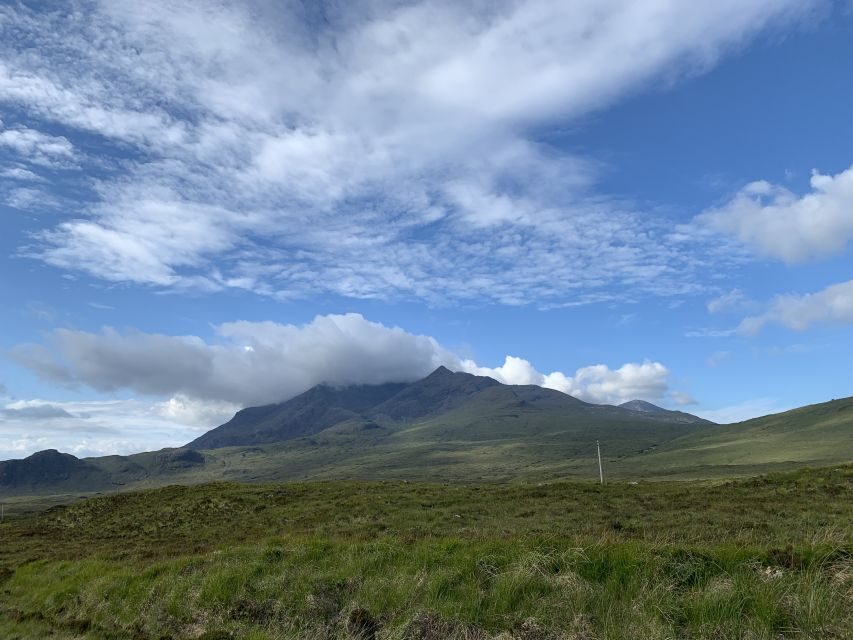
- Day 3: Skye in one full day—Cuillin, Quiraing, and Trotternish
- Day 4: Optional castle time and Loch Ness overnight in Inverness
- Day 5: Crossing to Orkney via ferries, with the Italian Chapel and Churchill Barriers
- Day 6: Kirkwall day—Maes Howe, Skara Brae, Stenness, and Ring o’ Brodgar
- Day 7: Back to the mainland—scenery south and a possible Dunrobin Castle stop
- Day 8: Culloden and Pitlochry—Jacobite defeat, Cairngorm views, and a relaxed ending
- Price and logistics: what your money is really buying
- Guides and group vibe: why the “how” matters as much as the “where”
- Who should book this tour—and who might prefer another style
- Should you book this Edinburgh to Orkney, Skye and Far North tour?
- FAQ
- Where do I check in for the tour?
- How many nights are included?
- What’s included in the price besides transportation?
- Are meals included?
- Which Orkney attractions have entrance fees included?
- What optional extras might cost extra?
- Is there a luggage limit?
- Are children allowed on this tour?
- What room option should I choose if I’m traveling alone?
- Is the tour guide available in English?
Key highlights worth planning around
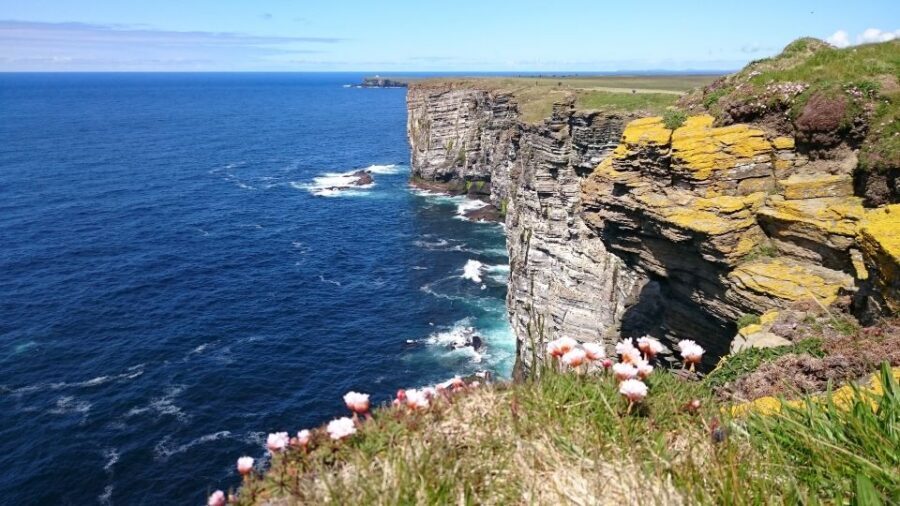
- A full day on Skye to see Cuillin views, Quiraing’s slanted hills, and the Trotternish Peninsula at a not-too-rushed pace
- Skara Brae and Maes Howe included (entrance covered), plus the Italian Chapel on Orkney
- Two major “story” days: Culloden for Jacobite defeat, and Orkney’s wartime-era features like the Churchill Barriers
- Ferries are part of the experience, not just transport, including the crossing to Orkney
- Loch Ness time is flexible through optional Urquhart Castle and a loch cruise
Why this Edinburgh–Skye–Orkney route feels like a fast education
This is one of those tours that gives you a Scotland feel in big, memorable chunks. You’ll start by threading through classic Highland scenery, then pivot west to Skye’s famous rock formations, and finally head up to Orkney where the vibe is different—more wind, more stones, more stories carved into the landscape.
The best part for me is the balance: you get guided context (so places mean something), but you also get time to walk and look. That matters on a trip like this because some days are scenic drive days, and others are built around specific sites like Skara Brae or Maes Howe. If you only care about photos, you might feel busy. If you like history and views both, the mix is strong.
You can also read our reviews of more tours and experiences in Edinburgh.

Day 1: Trossachs to Oban, with ancient sites you can actually walk
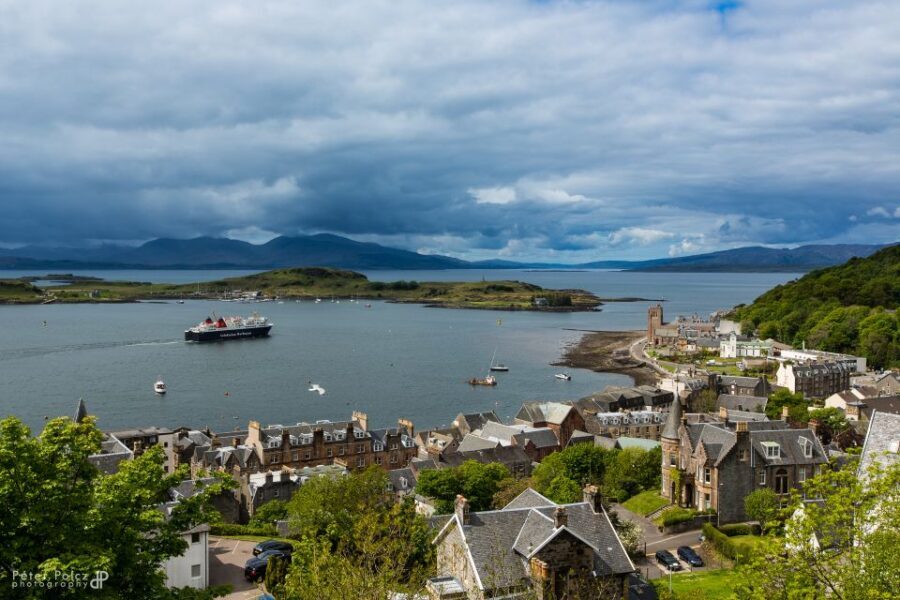
Day 1 kicks off with the stretch west through Loch Lomond and the Trossachs National Park area. This is a good warm-up because it’s scenic without being exhausting—easy to settle in, start taking photos, and get your bearings before the more dramatic days.
Then you’ll stop in Kilmartin Glen, which is the kind of place you can feel in your legs. You’ll have time to explore Scotland’s ancient past, including Dunadd Hill Fort and the Temple Wood Stone Circle. These stops are especially valuable on this tour because they set up what you’ll see later on Orkney: stonework, burial places, and long timelines.
The day ends in Oban. It’s a sensible overnight because it puts you near the west-coast rhythm before you push deeper into the Highlands.
Practical tip: wear shoes you trust. Even on a coach tour, the “included” places often mean you’re walking on uneven ground around old sites.
Day 2: Glen Coe to Fort William, then Glenfinnan and the Skye ferry
This day is built around two things: dramatic scenery and cinematic moments. You’ll pass through Glen Coe and get the big views around Ben Nevis. Fort William is your hub stop, and it’s a useful one if you want a quick sense of mountain-town life before heading to Skye.
From there, the tour shifts to the Glenfinnan Viaduct viewpoint, famous from the Harry Potter films. Even if you’re not a superfan, it’s a memorable stop because it’s both scenic and instantly recognizable from the movies.
Then comes the ferry to the Isle of Skye. I like this transition because it breaks up the long travel day. You’re not just getting from A to B—you’re changing your whole setting, and that makes Skye feel like an arrival instead of just another stop.
Overnight is in Skye, so you’re positioned for a full exploration day next.
Day 3: Skye in one full day—Cuillin, Quiraing, and Trotternish
Day 3 is where Skye gets real. You get a whole day to work through some of the island’s most talked-about sights, which is exactly what you want—Skye is not a place you can “drive by” and call it done.
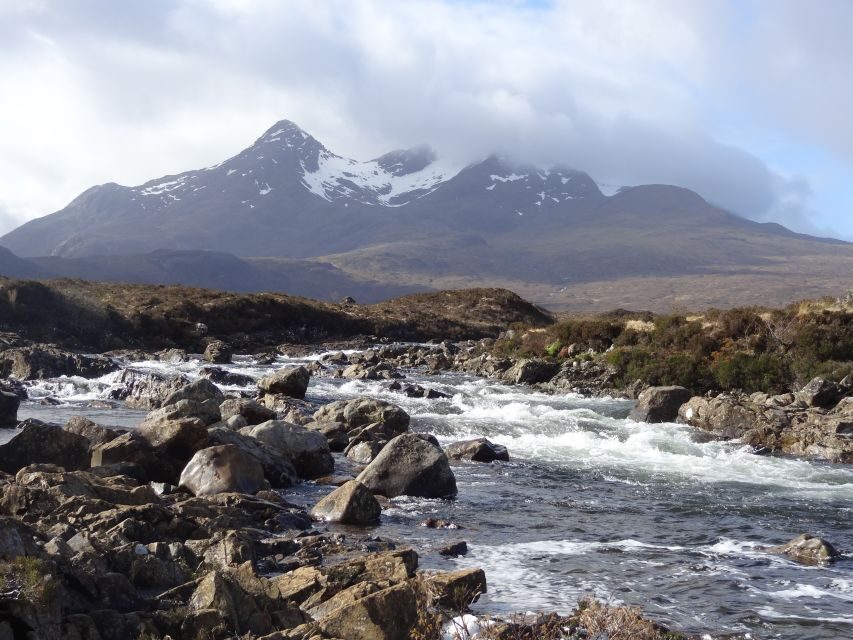
Expect the day to include the Cuillin Mountains area (for those sweeping mountain views), the Quiraing’s slanting hills, and the Trotternish Peninsula’s standout scenery. These are the kinds of places where the wind and light can change fast, so having a full day helps you catch at least one good window even when weather is moody.
Is it tiring? It can be, but in a good way. You’re moving around enough to see a lot, while still having time for stops. The key is to pace yourself: take the first big viewpoint, then slow down for walking later when you’ve saved your energy.
Quick weather reality: you’ll need layers. Even in summer, Skye can shift quickly, and you don’t want to stop enjoying it because you’re uncomfortable.
Day 4: Optional castle time and Loch Ness overnight in Inverness
This is a classic “Skye to the mainland” day that still keeps the highlights coming. Your first notable stop is Eilean Donan Castle. Importantly, it’s treated as an optional extra for entry, so you can decide based on budget and your interest in castle interiors versus exterior photos.
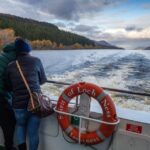
After that, you head to Loch Ness and the fabled shoreline area near Inverness. You’ll have options to add Urquhart Castle and even a cruise on the loch, both also marked as optional extras. If you like legends and want time on the water, it’s an easy upsell. If you’d rather save money, you can still enjoy the loch area without paying extra for every ticket.
Overnight in Inverness makes sense because it sets you up for the next leap: going north to Orkney.

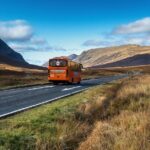
Day 5: Crossing to Orkney via ferries, with the Italian Chapel and Churchill Barriers
The route north on Day 5 is a payoff day. You travel via Inverness and along coastal scenery around the Moray and Cromarty Firths, then you board the ferry to Orkney. That ferry crossing is a real part of the trip, not just logistics, and it helps shift your brain from mainland pace to island pace.
Once you arrive in Orkney, Kirkwall is your base. The day includes time for a first look around, plus two standout sites that give Orkney depth fast:
- the Italian Chapel, built by Italian prisoners of war
- the Churchill Barriers, causeways constructed to protect the British naval fleet from submarines
I like these stops because they’re not just “pretty rocks.” They connect Orkney to wider European wartime stories, and that makes the island feel more grounded and human.
Day 6: Kirkwall day—Maes Howe, Skara Brae, Stenness, and Ring o’ Brodgar
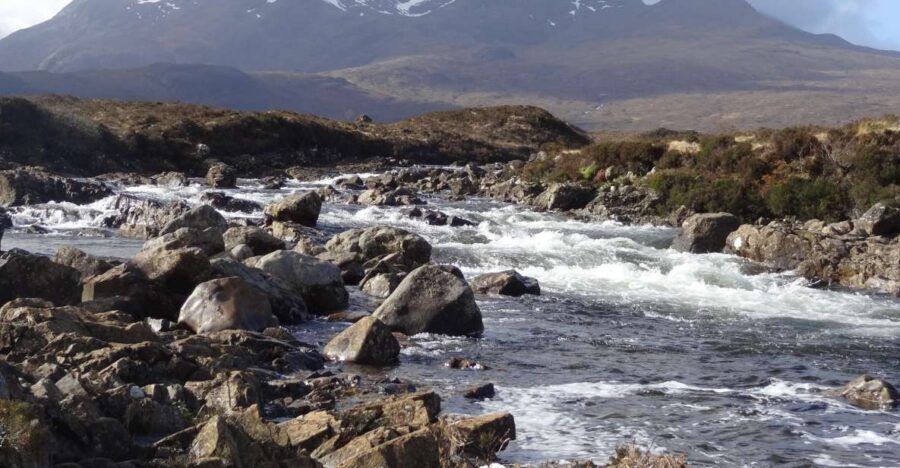
This is your major ancient-history day on Orkney. From Kirkwall, you’ll spend the whole day exploring prehistoric marvels, including:
- Maes Howe (chambered cairn)
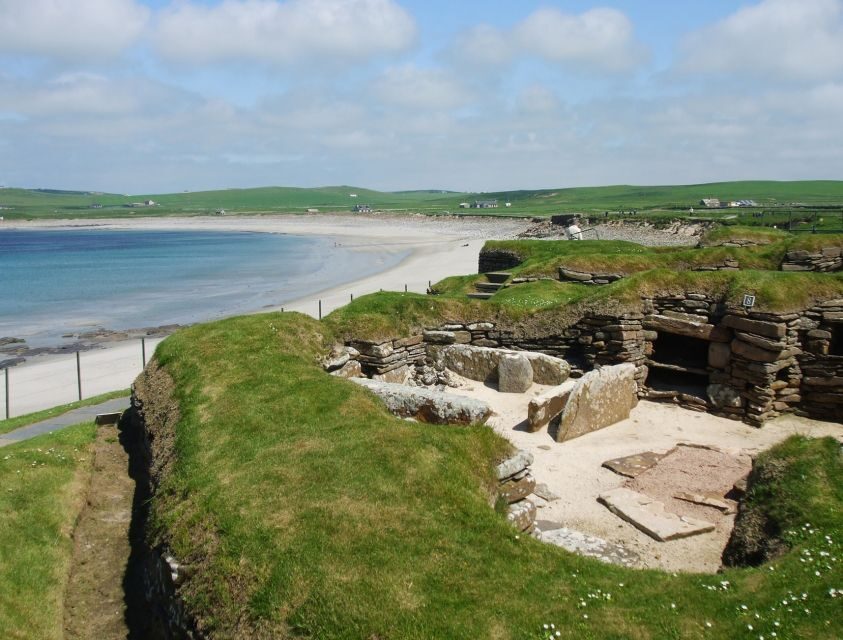
- Skara Brae (world-famous Neolithic village)
- Stenness stone circles
- the Ring o’ Brodgar
You’ll also visit St Magnus Cathedral to close the day.
Here’s what’s valuable for your planning: the entrance for Maes Howe, Skara Brae, and the Italian Chapel is included. That means you’re not guessing how much these big-ticket sites cost once you’re already there. For the stone circles, you may still find there are additional admission fees not covered under the included Orkney list, so keep a little extra budget handy if you want to tick everything.
Also, even though this is a history-heavy day, it doesn’t feel like a museum lecture. These places are built to be walked around and viewed from different angles, and the stone scale is hard to understand until you’re standing next to it.
Practical tip: plan for cold and wind. If it feels too chilly for long walks, you’ll enjoy the stops less, so layers and a hat matter even when the weather looks mild.
Day 7: Back to the mainland—scenery south and a possible Dunrobin Castle stop
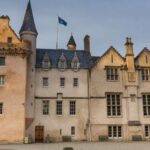
Day 7 starts the return to the mainland. You’ll travel with another chunk of scenery and you might have a chance to visit Dunrobin Castle as you head back toward Inverness.
Even if you skip the castle option (if it’s offered in your run of the itinerary), the travel day still has value. It’s the moment when Orkney begins to feel like a chapter that’s fully closed, and you’re getting that “Scotland keeps going” feeling again on the way south.
Overnight in Inverness keeps the logistics easy for the final day.
Day 8: Culloden and Pitlochry—Jacobite defeat, Cairngorm views, and a relaxed ending
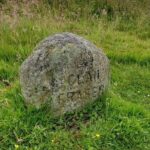
Your last day gives you a strong historical anchor. You’ll visit the battlefield of Culloden, the site of the defeat of the Jacobite forces. The Culloden Visitor Centre is noted as an optional extra, so you can choose how deep you go on interpretation—basic battlefield viewing is usually still worthwhile, but the centre can add context if you want more detail.
You’ll then pass the Cairngorm mountains and stop to explore Pitlochry. I like finishing in a town setting because it turns the day from “big site, big lesson” into “slow down, look around, grab a coffee, and land the trip.”
Price and logistics: what your money is really buying
At $2,136 per person, this isn’t a budget tour, but it also isn’t just sightseeing out of a coach window. You’re paying for:
- transportation across a large loop (including ferry travel)
- an English-speaking driver/guide
- 7 nights accommodation with breakfast
- included entrance fees in Orkney for Maes Howe, Skara Brae, and the Italian Chapel
What’s not included is meals and any admissions beyond those listed. Optional extras like Eilean Donan Castle, Urquhart Castle, a Loch Ness cruise, and the Culloden Visitor Centre can add cost. If you’re the type who loves castle interiors and guided visitor spaces, you’ll likely spend more than the base price. If you mainly want photos and the outdoor parts of each site, you can keep spending under control.
One more logistics note: luggage is limited to 15 kg per person with a size limit of 55 x 40 x 20 cm, plus one small carry-on. That’s important on a tour where you’re moving hotels and bases. Pack light and use layers; Skye and Orkney can make you wish you brought more warm things, and room for bulky items is limited.
Finally, check-in is inside Caffe Nero. Simple detail, but it saves stress on day one.
Guides and group vibe: why the “how” matters as much as the “where”
This tour lives or dies on energy. Several guide names came up in feedback, including Brodie, Kenny, Alex, Andy, Gram, Tommy, and Catherine. Across these accounts, the common thread is that guides are attentive and adjust to the group mood, not just recite facts from a seat.
Catherine’s story is a good example of the practical side. One guest mentioned it was unusually cold in Kirkwall and Catherine helped them find cheaper, suitable warm tights—small moment, big relief when you’re far from home. That kind of help is why a driver/guide role matters on a long route.
You should also know that group size can shift. One past guest reported a temporary group change for part of the trip due to low sign-ups, but the switch was handled smoothly. If you don’t love change, you might find that unsettling—but it’s usually not disruptive enough to ruin your day.
Who should book this tour—and who might prefer another style
This fits you well if you want a structured, guided route through major Scottish regions: Highlands, Skye, and Orkney, plus a strong history hit at Culloden. It also suits you if you like learning the “why” behind places, not only taking pictures.
It may be less ideal if you want a slow travel pace. Some accommodations can be remote, and with a tight itinerary you’re not always in control of how long you linger. Also, if you’re sensitive to weather, Skye and Orkney will demand layers and patience. And if you’re traveling with very young kids, children under 3 aren’t allowed.
If you’re traveling solo, use the Single Room option. The tour notes that it may not accept solo bookings without it.
If you’re traveling as a couple or friends, double/twin rooms are for two people, and if three people select that option they may get a family room for three if available.
Should you book this Edinburgh to Orkney, Skye and Far North tour?
I’d book it if you want maximum Scotland impact with minimal planning. You’re getting coach travel, ferries, breakfasts included, and entrance coverage for several of the big Orkney prehistoric hits. The route also ends with Culloden and Pitlochry, so it doesn’t feel like it stops abruptly after the scenery.
I’d think twice if you know you hate add-on costs or you prefer lodging that feels central and easy to wander from. Because optional attractions like Loch Ness cruise time and castle entrances can be purchased only if you choose them, your final spend depends on your interests.
If you want a “see the highlights” trip that still feels like you learn something, this one is a strong pick—just pack for wind and keep a little budget set aside for the extra tickets you’ll probably want once you’re standing there.
FAQ
Where do I check in for the tour?
You check in inside Caffe Nero.
How many nights are included?
The tour includes 7 nights of accommodation and breakfast.
What’s included in the price besides transportation?
Transportation, an English-speaking driver/guide, 7 nights with breakfast, and Orkney entrance fees for Maes Howe, Skara Brae, and the Italian Chapel.
Are meals included?
No. Meals are not included.
Which Orkney attractions have entrance fees included?
The entrance for Maes Howe, Skara Brae, and the Italian Chapel is included.
What optional extras might cost extra?
Eilean Donan Castle, Urquhart Castle, a Loch Ness cruise, and the Culloden Visitor Centre are optional extras.
Is there a luggage limit?
Yes. The maximum luggage weight is 15 kg, and the maximum size is 55cm x 40cm x 20cm. You may bring one small carry-on per person.
Are children allowed on this tour?
Children under 3 years old are not allowed.
What room option should I choose if I’m traveling alone?
Choose the Single Room option so the booking can be accepted.
Is the tour guide available in English?
Yes. The tour includes an English-speaking driver/guide.