Edinburgh becomes a game when you have a phone. This treasure hunt around Edinburgh uses cryptic clues and Captain Bess maps so you can wander at your own pace, learning stories as you go. I love the flexibility (start when you want, no printing, no downloads) and the way the route builds your bearings fast. One thing to consider: parts of the central route can feel crowded mid-morning, which can slow your clue-finding.
You’ll also get a laugh chasing answers, with the option to ask for hints when you get stuck. The stops are smart choices for first-timers and repeat visitors alike, from Edinburgh Castle down to the quieter mood near Greyfriars and Grassmarket. The only drawback I’d flag is the need for moderate walking, since you’ll be exploring on foot for about 2 hours 30 minutes.
If you want a city tour that feels like play (but still delivers sights), this is an easy pick. It’s private, your group goes together, and the whole experience works like a chat link on your phone.
In This Review
- Key things I’d look for before you book
- How Captain Bess Turns Edinburgh Into a Phone-Driven Treasure Hunt
- Why the Cryptic Clues Actually Improve Your First Visit
- Route Overview: How the Stops Build a Strong Edinburgh Story
- Edinburgh Castle: Big Setting, Fast Clue Momentum
- St Giles’ Cathedral: Clues that Point You Toward the Historic Center
- The Mercat Cross: A Small Landmark with Big Context
- National Museum of Scotland: Learning Without a Heavy Commitment
- McEwan Hall: A Pretty, Practical Detour
- Royal Mile: The Main Stage for Edinburgh Stories
- Greyfriars and Grassmarket: Mood Shifts You’ll Feel Immediately
- Lady Stairs House: The Kind of Place You Walk Past Until a Game Points It Out
- Value for $20.67: Why This Is a Good Use of Limited Vacation Time
- Who This Treasure Hunt Fits Best (And Who Might Not Love It)
- Practical Tips to Make Your Game Day Smoother in Edinburgh
- Should You Book This Captain Bess Treasure Hunt?
- FAQ
- How long is the treasure hunt in Edinburgh?
- What is the price per person?
- Do I need to download an app or print anything?
- How does the game work on my phone?
- Can we start at any time?
- Is this a private activity?
- Where does it start and where does it end?
- What’s the cancellation policy?
Key things I’d look for before you book
- Phone-only setup: you get a link and you do not need to print anything or download an app.
- Captain Bess guidance: maps and clue prompts arrive right to your phone, so you can focus on the walk, not logistics.
- Start anytime: you can begin when it fits your day, not a rigid tour time.
- Clue help when needed: hints are available if an answer won’t come.
- A route that teaches: famous landmarks plus small-story stops help you see Edinburgh as a connected place.
How Captain Bess Turns Edinburgh Into a Phone-Driven Treasure Hunt
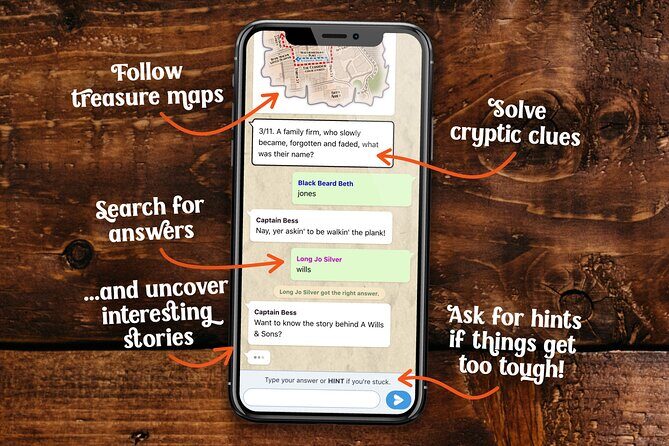
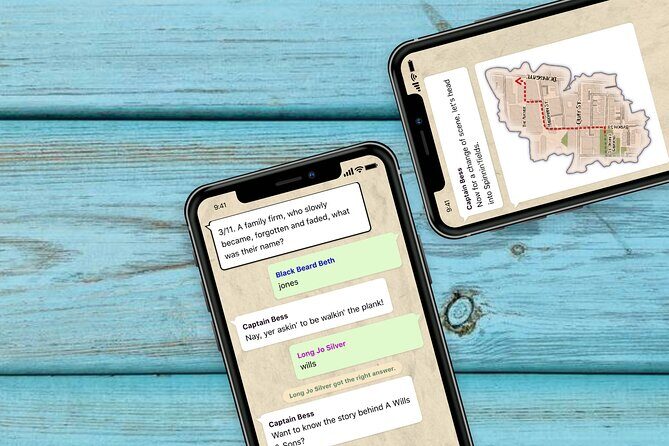
This experience is built like a self-paced game with a friendly guide behind the scenes. Instead of meeting a guide at a fixed moment and following a strict script, you get a link to the game you can share with your group. Think WhatsApp-style use: you follow what shows up on your phone, then move through town using the maps and clue prompts.
What I like most is how low-friction it feels. There’s nothing to print, no extra app requirements, and no permission prompts mentioned as needed. If you’re the type who hates wasting precious vacation time on check-in procedures, this format is a win.
And the pacing is yours. You can stop to read something, re-check a clue, or take a detour if a shop window catches your eye. That matters in Edinburgh, where the streets change character block by block, and where the best moments often happen when you pause.
If you travel with friends, it’s also practical. The game link can be shared with everyone in your group, so you don’t need one person playing referee for directions. You’re all chasing the clues together.
You can also read our reviews of more tours and experiences in Edinburgh.



Why the Cryptic Clues Actually Improve Your First Visit

Edinburgh is the kind of city where it’s easy to collect photos but harder to build an actual understanding of how the place fits together. A clue hunt solves that problem by forcing you to pay attention. You’re looking for specific answers, which naturally makes you notice details you might otherwise walk past.
The game also includes short stories and facts linked to what you’re spotting. That’s one reason the experience works as an introduction: you’re not only moving through famous landmarks, you’re also learning the why behind what you see. After you find an answer, you’re likely to understand the setting in a more memorable way than a quick photo-stop ever delivers.
There’s also a nice balance between challenge and support. If you cannot find the answer right away, hints are available. That keeps the game fun instead of frustrating, especially for mixed groups—people who love puzzles and people who just want the city walk.
And yes, there’s humor in the process. The idea is that you’ll laugh while solving clues and following maps. Even if you’re not a big puzzle person, the payoff is you slow down, look around, and end with a better mental map of Edinburgh.
Route Overview: How the Stops Build a Strong Edinburgh Story
The route is structured around a set of high-impact locations, moving through major points you can easily recognize even if you’ve never been. You’ll start near Edinburgh Castle and then work through central historic and cultural areas, finishing back near the starting area.
Because the hunt is self-paced, the stops don’t feel like a conveyor belt. You can spend longer at one place if a clue takes you there, or you can speed up when you already know what you’re looking at. The whole thing runs about 2 hours 30 minutes, which is long enough to feel like you explored, but short enough that you can still plan dinner without rushing.
Below is what each stop adds to your walk—and what to watch for.
Edinburgh Castle: Big Setting, Fast Clue Momentum
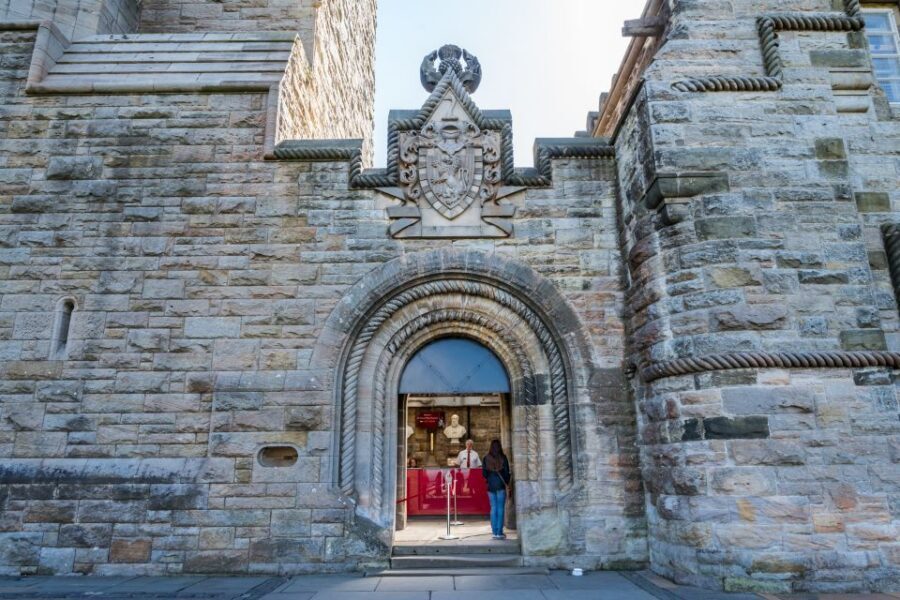
Edinburgh Castle is a strong opening move. Even if you don’t go inside, the area around the fortress has presence, and it’s a natural anchor point for the hunt. Starting here gives you a sense of scale and direction right away, so later stops feel easier to connect.
For the clue-hunt format, the castle area also sets a tone: you’re immediately in a place that people associate with Edinburgh’s identity. That helps the game feel meaningful instead of random.
The practical side: if you’re visiting during busier hours, you may hit crowds around the fortress area. If your game schedule allows it, starting earlier can help you keep the momentum without constantly working around foot traffic.
St Giles’ Cathedral: Clues that Point You Toward the Historic Center

Next up is St Giles’ Cathedral. This stop is a classic central Edinburgh sight, and it’s the kind of landmark where you naturally slow down to look up, not just ahead. In a treasure hunt, that’s exactly what you want: your brain shifts from walking to noticing.
This part of the route also helps you understand that Edinburgh’s old core is packed tightly. You’re not only visiting famous buildings; you’re learning how dense the historic center feels.
A minor consideration: if you’re sensitive to crowds or you prefer quiet, busy city-center areas can feel active. Your best strategy is to use the clue prompts to guide when you linger, and then move on when you’ve answered what you came for.






The Mercat Cross: A Small Landmark with Big Context

The Mercat Cross is one of those spots that can be easy to overlook on a casual walk—unless you’re told to look. That’s why it works so well in a clue hunt: you get a reason to stop, and once you stop, it becomes much more meaningful.
For me, this is the kind of location that turns a photo stop into understanding. Even if you’re not sure what you’re seeing at first, the clue structure nudges you toward learning the story behind the place.
If you like walking that feels purposeful, Mercat Cross is a great kind of checkpoint. It’s central, quick to reach, and ideal for when you want the hunt to keep moving.
National Museum of Scotland: Learning Without a Heavy Commitment
Then you reach the National Museum of Scotland. This stop is a helpful change of pace because it’s tied to culture and knowledge, and it fits the game’s theme of learning facts as you go.
Even if you only spend time on the outside or around the immediate area (depending on how you pace the hunt), the museum stop still gives you a mental break from pure street-walking. You’re also in a part of town where it’s easy to orient yourself for later legs.
Because the hunt is self-paced, you can choose how much time you give this stop. If you want a quick clue check and move on, you can. If you’re curious and want extra time, the format won’t punish you for it.
McEwan Hall: A Pretty, Practical Detour

McEwan Hall is next, and it adds a more academic and atmospheric feel to the route. It’s the sort of place that can surprise you if you’ve only focused on the most famous sights. In a game like this, you end up paying attention to spots you might not have planned to visit.
This stop is useful for breaking up the long central stretch. Your feet get a chance to slow down, your eyes adjust to a slightly different vibe, and then you keep moving into the Royal Mile zone.
If you’re someone who enjoys architecture and mood, this is likely to be one of the more satisfying clue stops, not because it’s the biggest but because it changes the rhythm of the walk.
Royal Mile: The Main Stage for Edinburgh Stories
You then hit the Royal Mile. This is the spine of the Old Town experience, and it’s a smart mid-to-late route stop because it ties everything together. After earlier landmarks, the Royal Mile feels like the storyline becomes obvious.
In a treasure hunt, the Royal Mile segment is also a good moment to test your progress. You’ve already been following maps and clue prompts, so you can see whether you’re building a mental picture of how the city connects.
One practical note: the Royal Mile can be crowded at certain times. If you want the smoothest experience, plan to keep moving between clue checks rather than getting stuck reading everything at once. You can always come back later, but for the hunt, flow helps.
Greyfriars and Grassmarket: Mood Shifts You’ll Feel Immediately
Greyfriars is the kind of stop that makes Edinburgh feel real, not just scenic. The mood changes here—more grounded, with a sense of history that feels closer than a distant viewpoint. It’s a great place for clue-based exploration because it encourages you to look around, not just walk through.
Right after that comes Grassmarket, a spot that often feels livelier in its own way. This pairing is good route design: you get contrast. Greyfriars gives the reflective atmosphere; Grassmarket adds a different energy, and you’ll feel the shift as you move.
The best way to enjoy this portion is to slow slightly when the clue prompts land you nearby, then let the rest of the streets carry you. Edinburgh streets reward curiosity, and the hunt gives you an excuse to be curious.
Lady Stairs House: The Kind of Place You Walk Past Until a Game Points It Out
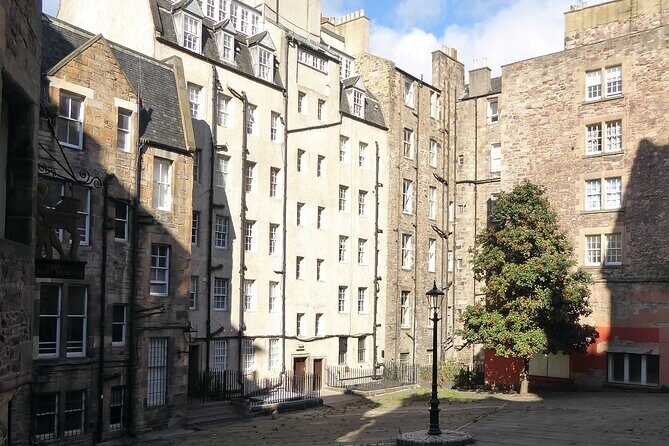
Lady Stairs House is a clever late-route stop because it’s the sort of Edinburgh detail that many people miss if they’re only sprinting for top sights. In a treasure hunt, it becomes a payoff moment—proof that the game is actually guiding you toward distinctive corners.
This stop also makes the route feel more complete. By the time you reach it, you’ve already done the major landmark work. Now the hunt shifts toward memorable smaller sights, the places that help you picture the city even after you’ve left.
If you like photos, this is likely to be a good moment to take a few. But even better, take a moment to answer the clue carefully. The building detail that catches your eye may also be the clue’s anchor.
Value for $20.67: Why This Is a Good Use of Limited Vacation Time
At $20.67 per person for about 2 hours 30 minutes, this can be a very good value—especially if you’re traveling with people who have different interests. Some folks want landmarks, others want stories, and some just want a fun way to explore without a rigid schedule. The hunt format covers all three.
You’re paying for more than movement. You’re paying for structured discovery. The game gives you a route, clue prompts, and built-in story context, which means you spend less time deciding what to do next and more time actually seeing the city.
And because the experience is flexible, it can fit real-world travel chaos. Your day is rarely perfect. You might have coffee too long, or a shop might pull you in. Since this is self-paced, you can accommodate the detours without ruining your whole plan.
Also, it’s private for your group. That matters because it keeps the experience from turning into a herd walk where you wait for others or get separated in a crowd.
Who This Treasure Hunt Fits Best (And Who Might Not Love It)
I think this is best for first-timers who want a guided-feeling experience without sitting through lectures. It’s also great for returning visitors who already know the big names but want the city to surprise them with smaller stops.
It works well for couples and small groups, and it’s especially good when people in your group enjoy a bit of challenge. The clue hunts are the attraction, and you’ll get more out of it if you’re willing to pause and look.
If you strongly dislike puzzles or you prefer a fully narrated walking tour where someone always explains what you’re seeing, this may feel a little more hands-on than you want. The hint option helps, but it still requires you to engage with the clues.
Also, if you have mobility limits, you’ll want to note the moderate physical fitness level mentioned. This is a walking game, not a sit-and-stare tour.
Practical Tips to Make Your Game Day Smoother in Edinburgh
Here’s how to get the best experience out of a phone-driven hunt.
First, keep your phone charged. The game runs through your mobile link, and you’ll want the maps and clue messages to be easy to read. Bring a small charger if you know you tend to drain batteries while taking photos.
Second, don’t treat the clue like a test. If you’re stuck, use the hint. The goal is to keep moving and keep enjoying the walk.
Third, plan for some crowding in the central areas. If the route feels busy, it’s okay to take advantage of the self-paced format. Spend an extra minute where the crowd thins, then move again.
Fourth, embrace the detours. The experience specifically allows you to pause for what catches your eye, even turning the walk into a mini pub crawl. If you’re the type who wants a bit of Edinburgh flavor on the way, this is where the game’s flexibility pays off.
Fifth, read your clues calmly before you run to the next spot. It’s tempting to sprint between map pins, but clues often reward careful looking.
Should You Book This Captain Bess Treasure Hunt?
I’d book it if you want an Edinburgh experience that feels fun, flexible, and built for real exploring. The best part is the combination: cryptic clues + self-paced maps + short stories, all without printing, downloads, or complicated check-ins. For $20.67 and around 2.5 hours, it’s a smart way to get a strong overview of the city and decide what you want to do next.
Skip it only if you hate clue-based activities or you need a fully guided, narration-heavy tour where you never have to figure anything out. If you’re okay with solving, walking, and occasionally asking for a hint, this is the kind of day that leaves you with better memories than just a pile of photos.
FAQ
How long is the treasure hunt in Edinburgh?
It takes approximately 2 hours 30 minutes.
What is the price per person?
The price is $20.67 per person.
Do I need to download an app or print anything?
No. You get a link to the game on your phone, and there’s nothing to print and no download required.
How does the game work on my phone?
You follow maps and receive clues through the game link, using your phone. It works like WhatsApp, so it’s easy to use.
Can we start at any time?
Yes. You can start when you want.
Is this a private activity?
Yes. It’s private, and only your group participates.
Where does it start and where does it end?
It starts at 1 Cockburn St, Edinburgh EH1 1BP, UK, and it ends back at the meeting point.
What’s the cancellation policy?
You can cancel for a full refund up to 24 hours in advance. After that, refunds aren’t available.