REVIEW · SCOTCH WHISKY EXPERIENCES
Private Highland whisky tour from Edinburgh- Build your own tour!
Book on Viator →Operated by Whiskywheels Tours · Bookable on Viator
Whisky fans get control of the route. A private Highland whisky day lets you shape the itinerary with your guide, mixing famous distilleries with style-matching stops and plenty of history along the way. I like the build-your-own setup, and I like that the day is designed around tasting whisky fresh from distilleries. The trade-off: distillery admission isn’t included, so you’ll want to budget for tickets and any extras.
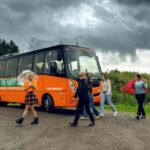
You’ll start early, then spend a long stretch in a fully air-conditioned vehicle over country lanes and mountain passes. I also like that bottled water comes with the trip, which makes the day feel less “tour-production” and more “real road day.” One thing to keep in mind is the timing: it runs about 7 to 10 hours, so it’s not a quick hit between trains.
This tour works best when you want more than a checklist. You’ll hear about Highland heritage as you travel, then get guided visits that focus on how whisky is made and why Scotch tastes the way it does. If you’re hoping for lots of non-distillery stops, you’ll need to be clear with your guide so the schedule stays realistic.
In This Review
- Key points worth knowing before you go
- Build-your-own Highlands whisky: how you shape the day
- 7:30 am pickup, air-conditioned driving, and real Highlands road time
- Distillery-by-distillery: what each stop is really like
- Singleton Distillery (Glen Ord): modern single malt branding
- Glenmorangie Distillery: Victorian single malt roots and big milestones
- Blair Athol (Pitlochry): whisky that shows up in blends
- Dalwhinnie: pairings with Highland chocolate
- Edradour: tiny output, very personal tours
- Dewar’s Aberfeldy: marketing history with Edison in the mix
- Deanston: textile mill roots and the Angel’s Share connection
- Oban: west-coast style with harbour energy
- Glengoyne: traditional distilling with year-round access
- The Glenturret: Scotland’s oldest working distillery vibe
- Tomatin: convenient on the A9 and cask-strength options
- Knockdhu: Haig’s supply roots and single malt reputation
- Balblair: gentle, hands-on character
- Ben Nevis: Hector McDram and the Legend of the Dew
- Dalmore: luxury malt story and rare casks
- Glen Garioch and GlenDronach: northeast and sherry tradition
- Royal Lochnagar: just one mile from Balmoral
- Tullibardine: only about an hour from Edinburgh
- What you taste (and how to make the 30 minutes count)
- Lunch at a traditional Scottish pub: a good reset, but not included
- Guide and driver make the difference between a good day and a smooth day
- What you’re paying for: value vs ticket add-ons
- Who should book this private Highland whisky tour
- Should you book this tour from Edinburgh?
- FAQ
- How long is the private Highland whisky tour?
- What time does the tour start in Edinburgh?
- Is this a private tour for just our group?
- Is pickup available from Edinburgh?
- What’s included in the price?
- Are distillery admission tickets included?
- Is lunch included?
- Is alcoholic drinks included?
Key points worth knowing before you go
- Build-your-own itinerary: You work with your guide to pick which distilleries to include, instead of being locked into one route.
- Short, focused distillery visits: Each stop is about 30 minutes, so you’ll sample widely rather than spending the whole day in one place.
- Comfort over long drives: Fully air-conditioned private transportation and bottled water help on long Highland days.
- Tastings are the point: You’ll taste whisky at the distillery rather than only doing photo stops.
- Budget for add-ons: Distillery admission is not included, and lunch and alcohol aren’t included.
Build-your-own Highlands whisky: how you shape the day
This is a private whisky tour from Edinburgh where you create your own Highland plan with your guide. That matters because “the Highlands” cover a lot of whisky styles, from crisp and floral to richer sherry-influenced malts and coastal drams with a hint of smoke. Instead of guessing what you’ll like, you can steer the day toward the distilleries and styles that match your tastes.
The route options are wide. Your guide can build a loop that may include places like Glen Ord (Singleton) and Glenmorangie around Tain, then head through Pitlochry for Blair Athol and on toward higher sites such as Dalwhinnie. You can also pivot to the west-coast mood with Oban, or stay focused in Perthshire with smaller, very personal distilleries like Edradour. If you want the north Highlands, the list stretches further: Tomatin, Dalmore, Glen Garioch, GlenDronach, and even Royal Lochnagar near Balmoral are all on the menu as possible stops.
One practical upside of this approach is pacing. The day is long enough to hit multiple distilleries, but each visit is kept to roughly 30 minutes—so you get variety. The downside is you won’t see every corner of a distillery in one stop, so the best use of your time is asking the guide what to look for and what style notes to pick up during tastings.
You can also read our reviews of more private tours in Edinburgh

7:30 am pickup, air-conditioned driving, and real Highlands road time
You start at 7:30 am and the tour runs about 7 to 10 hours, ending back where you began. That early start is partly about road time: the Highlands are huge, and moving between distilleries means lots of winding stretches.
Your transportation is fully air-conditioned and private, and you also get bottled water. That’s a small detail that adds up. When you’re in a vehicle for most of the day, comfort becomes part of the experience, not just a perk. And because the route uses country lanes and mountain passes, a steady driver reduces fatigue fast.
The big “yes” for this tour is that you’re not doing this as a stress-chasing self-drive. If you’re the kind of person who wants to enjoy the stops rather than focus on traffic and timing, private transport is the right move. The big “check” is communication: during any long day, you’ll have more fun if you actively ask questions of your guide and set expectations early about what you want to prioritize.
Distillery-by-distillery: what each stop is really like
Each distillery stop is about 30 minutes, and admission tickets aren’t included. That usually means you’ll get a guided visit and tasting time, but anything beyond that—special experiences, upgrades, or shop purchases—will likely be separate at the distillery.
Here’s what you can expect from the most notable possible stops, and what each one adds to the day.
Singleton Distillery (Glen Ord): modern single malt branding
Singleton (Glen Ord) is presented as a creation of the modern, 21st-century approach to single malts—linked to Diageo’s effort to make a brand that could take on big-name rivals. I like this stop because it gives you a clear angle on how whisky marketing and production strategy shaped what became mainstream for many drinkers.
You’ll get a short visit, so use it to compare style direction. If you’re building a route for variety, Singleton can be a good anchor before you move into other styles that lean more classic or more characterful.
Glenmorangie Distillery: Victorian single malt roots and big milestones
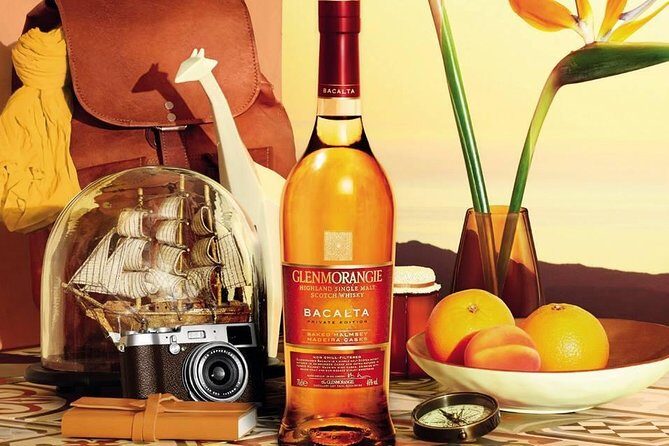
Glenmorangie has a superb reputation for guided experiences and staff. It’s also celebrating 175 years since it was founded in the Highland town of Tain, and the story includes Glenmorangie as an early participant in the modern malt boom—while still marketing itself as a single malt in the Victorian age.
If you’re a history person, this stop helps connect the dots from old-world craft to the era when “single malt” became a category people actively sought out. Expect this to feel polished and well run, since the tour framing is very intentional.


Blair Athol (Pitlochry): whisky that shows up in blends
Blair Athol is situated in Pitlochry, at the gateway to the Highlands. A neat twist here is that the malt made at Blair Athol goes into Bell’s blend, even though the distillery also offers a small selection of single malts.
That makes Blair Athol useful if you want to understand that whisky isn’t only about one-bottle storytelling. You’ll see how single malt production can still feed the blender world.
Dalwhinnie: pairings with Highland chocolate
Dalwhinnie offers tastings of its own whisky plus tastings paired with chocolate from the Scottish Highlands. That’s a fun way to understand how flavors interact, especially if you find it hard to pick up notes just from pure whisky.
It’s also one of the highest distilleries in Scotland in terms of setting, and there’s a great geographic detail: its water comes from a branch of the River Spey, described as the whisky river. If you’re building a route focused on ingredients and location, this stop helps you connect place to palate.
Edradour: tiny output, very personal tours
Edradour is small in the best way. It produces only twelve casks a week and is the smallest traditional distillery in Scotland, which is why its tours—April to October—can feel very personal. It opened in 1825 as a farm distillery and still operates on that working basis.
This stop can be a big win if your goal is less “factory tour energy” and more direct access to a working-scale operation. The drawback is simple: small tours mean you’re in and out quickly, and you’ll want to pay attention during the short window.
Dewar’s Aberfeldy: marketing history with Edison in the mix
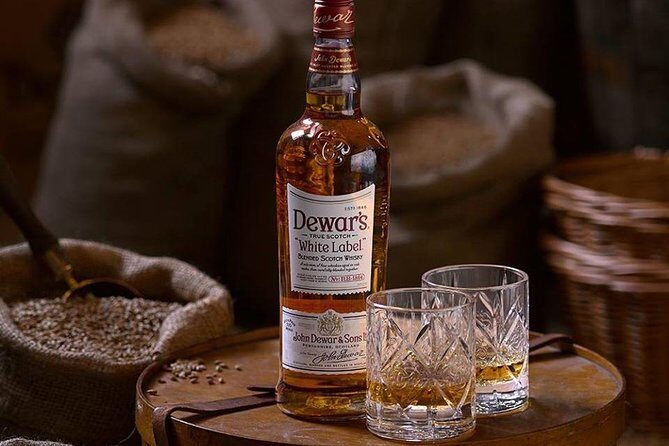
At Dewar’s Aberfeldy, you get a story that reaches beyond whisky. The origin includes Tommy Dewar understanding the power of marketing, including a film commercial directed by Thomas Edison for Dewar’s White Label blend in the early 20th century. It’s possibly part of why Dewar’s remains among the best-selling blends in the US.
This stop is a good reminder that whisky history includes business, branding, and technology—not just casks and barley.
Deanston: textile mill roots and the Angel’s Share connection
Deanston’s story starts where you might not expect: textile manufacturing. It has the look of a textile mill along the Rochdale canal style, and it became a distillery in 1966. Water from the River Teith powers the site, and guides point out the ghostly remains of what was claimed to be the largest waterwheel in Europe—now replaced by turbines.
If you like pop-culture ties, Deanston is the filming location for Ken Loach’s affectionately named whisky romp, The Angel’s Share. Even if you’ve never seen it, the way the site is framed makes whisky feel tied to local industry rather than a separate world.
Oban: west-coast style with harbour energy
Oban’s distillery is tucked between the coast and the cliffs above the harbour, with grey granite buildings clustered tightly. When the distillery was built in the 1790s, Oban was mainly herring storehouses, and the port grew up around the distillery.
Oban is described as offering a rare taste of west-coast style—somewhere between a Speysider and the more smoky island character. There’s also practical comfort built in: when drizzle hits, the dramming bar is the place to settle in before catching a ferry to Tobermory on Mull (mentioned as recently reopened).
Glengoyne: traditional distilling with year-round access
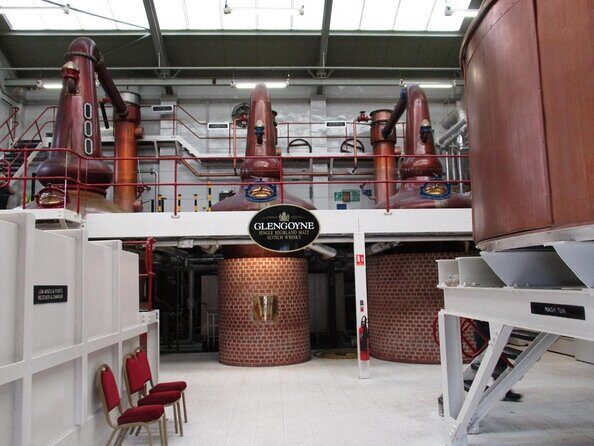
Glengoyne is often described as Scotland’s most beautiful distillery, and it’s open all year with guided tours and whisky tastings. It’s a traditional, hard-working distillery that’s been flourishing since 1833.
If you want a stop that tends to feel reliable regardless of season, Glengoyne is a strong choice. It also has more experiences on offer, including a Master Blender tour where guests create their own individual whisky to take home (though whether you can fit that into a 30-minute slot depends on what your route includes).
The Glenturret: Scotland’s oldest working distillery vibe
The Glenturret is billed as Scotland’s oldest working distillery in the heart of Perthshire, with experiences for everyone. The tour approach includes whisky to take home with all their tours, so it’s set up to feel complete rather than leaving you empty-handed.
This is a popular pick for a reason: the distillery’s presentation is built around visitor experience, not just production education. If you want a more emotional, classic distillery day, this one fits.
Tomatin: convenient on the A9 and cask-strength options
Tomatin is a Highland distillery visitor centre that’s open year-round and positioned for convenience—about 16 miles south of Inverness and 15 miles north of Aviemore on the A9. It has a range of tours and award-winning whiskies, plus a shop and merchandise.
A standout detail is that Tomatin offers a filling-your-own bottle experience from one of its cask strength distillery exclusives. That makes it a strong end-of-day stop if you like the idea of taking home a bottle that feels “made for you,” even if the actual experience cost is separate from the tour.
Knockdhu: Haig’s supply roots and single malt reputation
Knockdhu is owned by Inver House Distillers and was founded in 1893 by John Morrison. The story includes buying the land from the Duke of Fife and producing whisky for Haig’s after several springs on Knock Hill were discovered.
This is a good option if you want to understand that distilleries can start with supply needs for blends and later build a global single malt identity.
Balblair: gentle, hands-on character
Balblair is presented as a must stop when you’re near Inverness. The focus is on pride and dedication to excellence, with a gentle, hands-on approach credited for the whisky’s distinctive character.
In a short 30-minute visit, Balblair works best as a “style comparison” stop. Taste, then use your guide’s explanation to connect production methods to what you’re tasting.
Ben Nevis: Hector McDram and the Legend of the Dew
Ben Nevis distillery includes the Legend of the Dew of Ben Nevis Visitor Centre in an old warehouse dating from 1862. You meet Hector McDram, who delivers the legend in a specially commissioned audio-visual presentation, then you get a conducted tour of production areas and a complementary tasting.
This one is a great choice if you want whisky with theatre. Even if you’re not there for the myth, the structure of the experience makes it easy to follow.
Dalmore: luxury malt story and rare casks
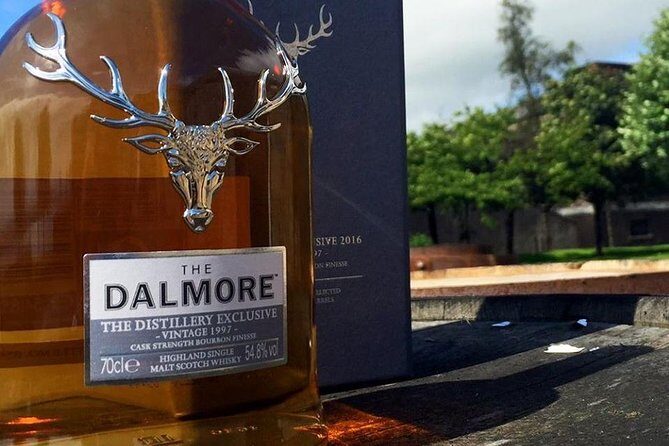
Dalmore is described as a luxury malt of the north Highlands, located along the Cromarty Firth coast. It highlights rare casks sourced from the world’s finest bodegas and wineries as key to its legendary whisky.
If your palate leans toward richer, more layered profiles, Dalmore is a natural fit. Use the tasting to notice how cask sourcing shows up in aroma and finish.
Glen Garioch and GlenDronach: northeast and sherry tradition
Glen Garioch is called the Home of Glen Garioch and is described as the most easterly Scotch whisky distillery in the world. It’s about 17 miles from Aberdeen, and the route notes it as a great match with Glendronach.
GlenDronach focuses on traditional maturation in superior quality sherry casks, with methods framed as handcrafted techniques created through nearly 200 years of tradition. If you’re building a sherry-forward segment, these are the names to look for in your guide’s plan.
Royal Lochnagar: just one mile from Balmoral
Royal Lochnagar is positioned one mile from Balmoral Castle at the foot of the Cairngorm mountains. It’s fed by crystal clear water of the Scarnock springs.
This stop is ideal when you want whisky and geography tied together. The wording alone tells you it’s about clean water and high-ground character.
Tullibardine: only about an hour from Edinburgh
Tullibardine is one of the best Highland distilleries only about an hour from Edinburgh. Since 1949 it has produced single malt whisky, with the distillery in Blackford near the Ochil Hills and the Danny Burn as its main water sources.
If your day is starting to feel long but you still want one more solid whisky stop, Tullibardine is a good candidate because it’s close enough to reduce driving stress.
What you taste (and how to make the 30 minutes count)
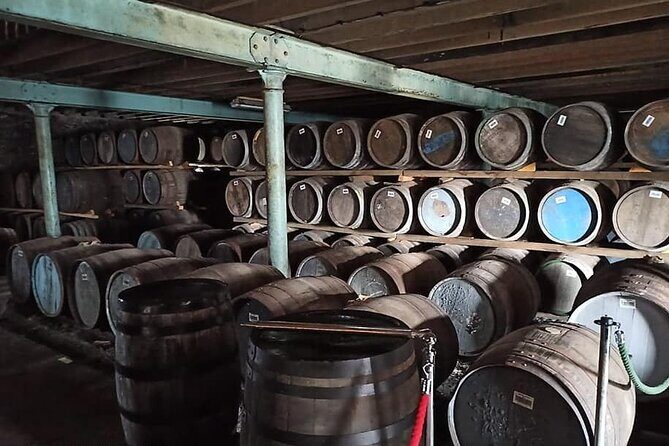
Even though every stop is different, the core promise is consistent: you’ll learn about whisky making and get to taste at the distillery. The short time per stop is the real challenge, so your success depends on what you ask.
I recommend you go in with a simple goal, like: learn how sherry-cask style differs from ex-bourbon, or figure out why some malts feel sweeter while others read drier. Your guide can connect those notes to what you’re seeing in the building and the maturation approach being discussed.
Also, since lunch and alcoholic beverages aren’t included, treat the tastings as the main drinking part of the day. If you know you prefer small sips, say so early so your route doesn’t end up tiring.
Lunch at a traditional Scottish pub: a good reset, but not included
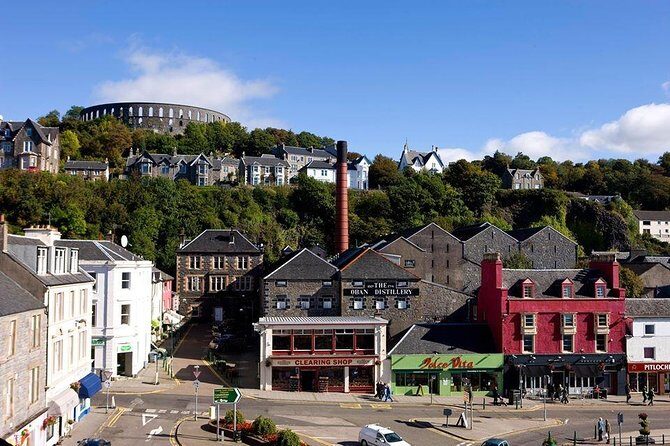
One highlight of the tour design is the option to stop for lunch at a traditional Scottish pub. That’s smart on a long day because it breaks up the travel and gives you a chance to reset before the next distillery.
Just plan on paying for lunch yourself since lunch isn’t included. If your route includes multiple distilleries, the pub stop can be the place to refuel so you still have energy for the tastings and the drive afterward.
Guide and driver make the difference between a good day and a smooth day
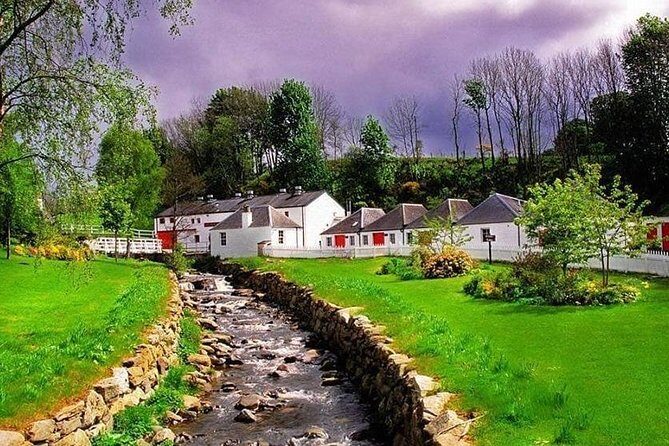
A private whisky tour lives or dies on the human at the wheel and the guide talking through the story. Your route is built around heritage explanations as you travel, so you want someone who will actually talk with you, not just drive.
In particular, names like Mark, Euan, and Steve come up as examples of guides/drivers who made the experience feel worth it. Mark is described as outstanding with a route that felt flexible and low-stress, which is exactly what you want on a 7 to 10 hour schedule. Euan is noted in connection with a guest who didn’t even drink whiskey much, which suggests the day can still work if your main interest is history and learning.
On the flip side, there are also signs that communication can vary. If you want your guide to point out what you’re seeing along the way and explain the land, ask for that right at the start. It’s the easiest way to avoid feeling like you’re just being transported between doors.
What you’re paying for: value vs ticket add-ons
At $602.23 per person, this isn’t a budget afternoon. You’re paying for private transportation in a climate-controlled vehicle, pickup service, bottled water, and a day that’s designed around distillery tastings with a private guide who can adjust the plan.
So when does it feel like value? It usually feels strongest when you go into the day knowing you’ll use the private setup: you’ll ask questions, you’ll pick distilleries that fit your tastes, and you’ll accept that admission is an extra. It also helps if you like smaller stops, because a shorter visit to a smaller distillery often gives you more character per hour than rushing through a bigger, more crowded site.
When might it feel overpriced? If your expectations are that everything—distillery entry, tastings, and lunch—would be rolled into the price. Distillery admission tickets aren’t included, and lunch and alcoholic beverages aren’t included. On a high-cost day, those add-ons can sting if you didn’t plan for them.
Who should book this private Highland whisky tour
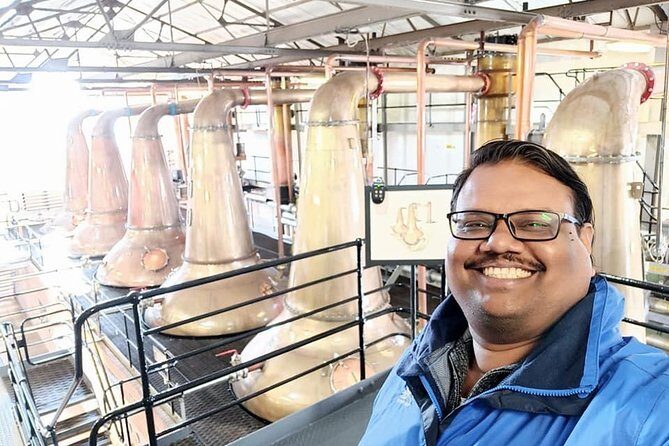
This is a smart pick if you want a custom route instead of being herded through the same three places every time. It’s also a great match if you care about whisky styles and want to understand why they differ, not only taste them.
It also works well for people who aren’t heavy drinkers. One account highlights how much someone learned even though whiskey wasn’t their thing, and that points to the guide-led history and whisky-making explanations being a major part of the appeal.
Choose this tour if you’re the kind of traveller who likes early starts, long days, and learning by doing—taste, compare, then ask why.
Should you book this tour from Edinburgh?
Book it if you’re willing to treat this like a guided whisky education day with tastings as the centrepiece, and if you want the freedom to build your own Highland loop. The private vehicle and air-conditioned comfort make the long hours feel manageable, and the distillery lineup options let you tailor the day to your palate.
I’d only pause if you want a fully included “everything paid” experience. Since distillery admission tickets aren’t included and lunch isn’t included, your final cost may rise once you start adding entries and any buy-from-the-shop moments.
If the weather is a concern, remember the tour requires good weather. If plans can shift, you’ll generally be in a better place—because the Highlands are often at the mercy of cloud cover and rain.
FAQ
How long is the private Highland whisky tour?
It’s listed as lasting about 7 to 10 hours.
What time does the tour start in Edinburgh?
The start time is 7:30 am.
Is this a private tour for just our group?
Yes. It’s a private tour/activity, and only your group participates.
Is pickup available from Edinburgh?
Pickup is offered, and the tour uses private transportation.
What’s included in the price?
Included features are an air-conditioned vehicle, private transportation, and bottled water.
Are distillery admission tickets included?
No. The distillery admission ticket is noted as not included for the stops.
Is lunch included?
Lunch is not included, though you can choose to stop for lunch at a traditional Scottish pub.
Is alcoholic drinks included?
Alcoholic beverages are not included.