REVIEW · FOOD & DRINK
Tranent: Glenkinchie Whisky Distillery Tour and Tasting
Book on GetYourGuide →Operated by Johnnie Walker Princes Street · Bookable on GetYourGuide
One sip and you get it: whisky at Glenkinchie is a full senses experience, not a lecture. I like how the tour uses light, media, music, and special effects to make the process feel hands-on, and I also like the payoff: a guided flight of 3 whiskies plus a small cocktail in the Tasting Room.
One thing to consider: the sensory moments and special effects may not suit everyone.
If you pick the right time of day, this is one of those tours where you leave with practical knowledge you’ll actually use. Guides such as Kirsty and John W are specifically praised for clear storytelling, smart humor, and guiding you through tasting in a way that helps you notice differences fast.
In This Review
- Key things that make Glenkinchie work so well
- Glenkinchie in Tranent: why this tour feels different from the usual
- The sensory distillery tour: light, media, music, and special effects
- What you’re really seeing: a working distillery, not a museum stop
- East Lothian and the field-to-glass idea (and why it matters)
- The Johnnie Walker connection: Lowland home to a global brand
- Tasting Room flight: 3 whiskies plus a tiny cocktail
- How to taste like the tour is trying to teach you
- Price and value: what $28 buys you in plain terms
- Who this tour fits best (and who should plan carefully)
- My decision guide: should you book Glenkinchie?
- FAQ
- FAQ
- How long is the Glenkinchie Distillery tour and tasting?
- How many whisky tastings are included?
- Is a cocktail included?
- What language are the tours in?
- Is the tour wheelchair accessible?
- Is this tour suitable for children?
- What should I bring with me?
- Where does the tour start and end?
- Is there a cancellation window?
Key things that make Glenkinchie work so well
- Sensory presentation that uses light, media, music, and special effects to keep the tour moving
- Working distillery access (you’re not just looking at props behind glass)
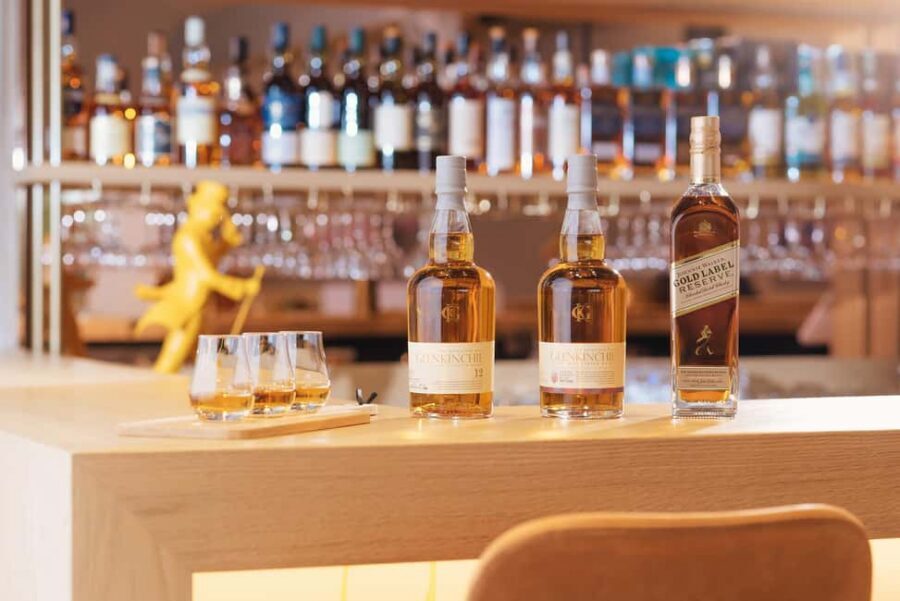
- A planned tasting flight: 3 whiskies plus a small cocktail in the Tasting Room
- Lowland connection to Johnnie Walker that ties local production to global names
- A field-to-glass story focused on how East Lothian inputs connect to flavor
- Guides who lead tasting smartly, including smell-first moments before you pour
Glenkinchie in Tranent: why this tour feels different from the usual
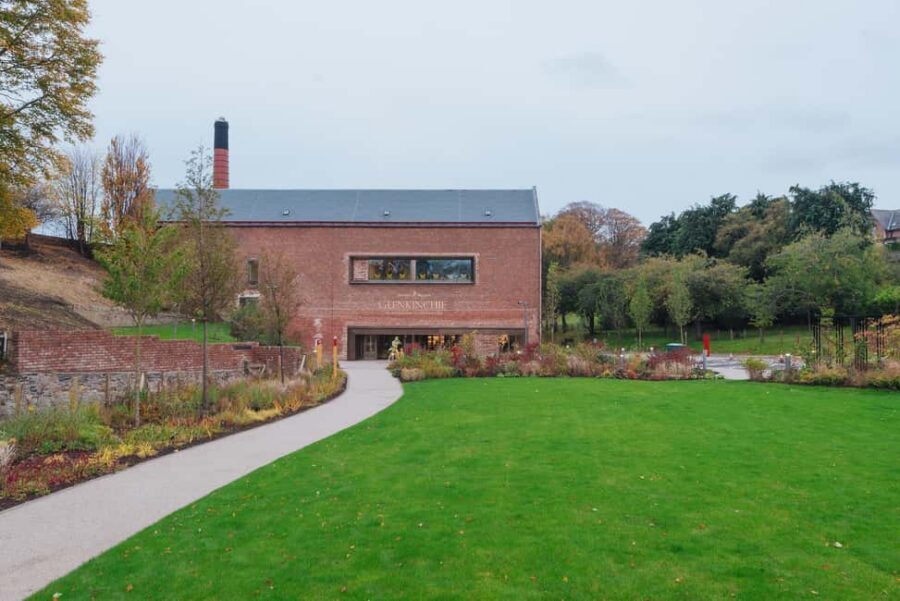
Glenkinchie sits in East Lothian near Tranent, and the vibe is very Lowland Scotch: approachable, not heavy on theater for theater’s sake. What makes this tour stand out is how it treats whisky like a set of signals your senses can read—sound, light, smell, then taste—rather than only facts on a wall.
I also like the pacing. At 1.5 hours, it’s long enough to feel complete, but not so long that you’re tired before the tasting. That matters, because the tasting is where your brain should be freshest.
One practical note: you’ll be on your feet in a distillery environment. Comfortable shoes aren’t optional here.
You can also read our reviews of more food & drink experiences in Edinburgh



The sensory distillery tour: light, media, music, and special effects
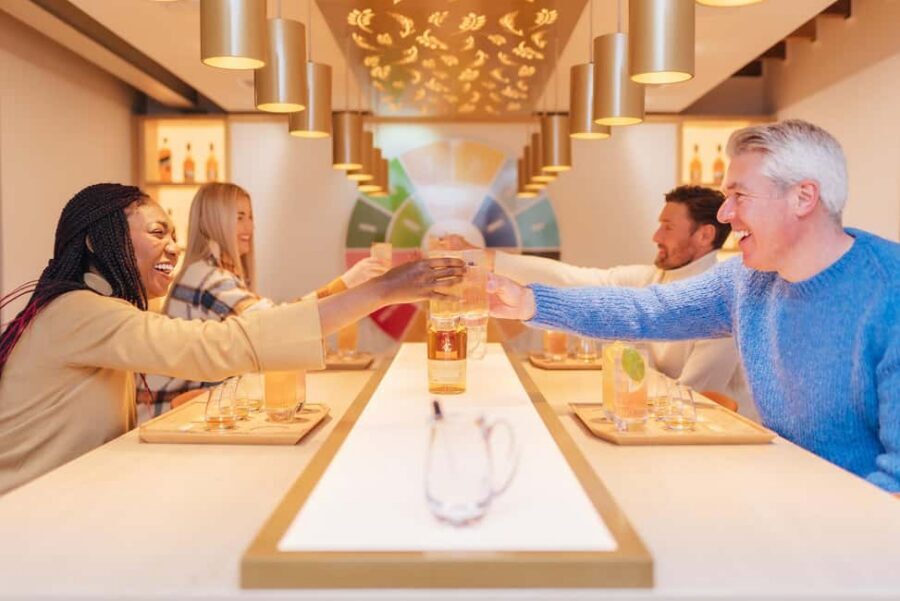
This is a guided sensory tour built to explain the whisky-making journey. The experience uses light, media, music, plus special effects at key moments. That design choice does two useful things for you:
First, it helps you remember the sequence of production. When you hear and see the process in the right order, it sticks.
Second, it keeps attention steady. A distillery tour can get repetitive fast—still, still, still—unless the guide breaks the rhythm. The sensory approach does that for you.
It’s also why this can be a great fit even if you’re not a whisky nerd. If you come in curious, you’ll still get something. If you already know a bit, you’ll likely appreciate the structure.
Possible drawback: those sensory and special effects may not be suitable for all guests. If you’re sensitive to flashing light, loud audio, or strong staging, consider that before booking.
What you’re really seeing: a working distillery, not a museum stop
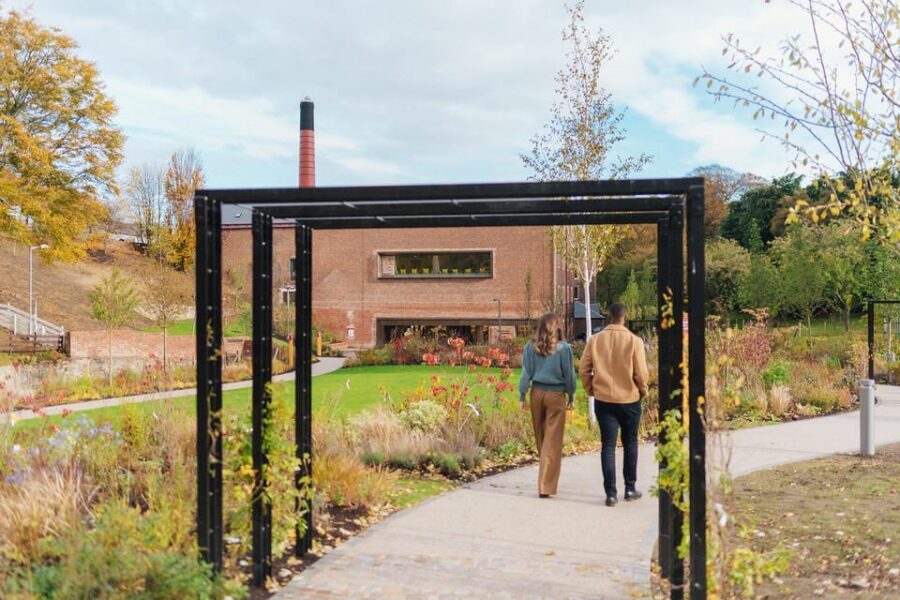
You’re going through Glenkinchie as a working whisky distillery, which changes how you should think about the tour. Instead of only watching equipment like a display, you get guided context for what the equipment does and why each step matters.
The best distillery tours don’t just show you the gear. They help you connect the gear to flavor. This one aims for that field-to-glass connection, so the tour doesn’t end at machinery—it leads you toward what ends up in your glass.
If you like tours where the guide explains the why behind the process, you’re in the right place. And if you enjoy humor, you’ll likely appreciate how guides are described as funny while still staying informative.
East Lothian and the field-to-glass idea (and why it matters)
One of the strongest parts of this experience is the focus on East Lothian character through a field-to-glass approach. Even if you don’t have a background in ingredients, the logic is easy:
- The raw materials and production choices influence the aroma and texture you notice later.
- The region’s style shows up in how the final whisky behaves in your mouth, not just in how it smells.
That means the tour is aiming to help you taste with context. Instead of thinking, This tastes like sweet or This tastes like smoke, you learn how different production decisions can push those sensations.
And because the story is location-based, it feels more personal than generic whisky education. East Lothian isn’t just a postcode—it’s the setting for the method you’re tasting.
The Johnnie Walker connection: Lowland home to a global brand
Glenkinchie is often described as the Lowland home connected with Johnnie Walker, and this tour weaves that relationship into the experience. For you, the value is simple: it gives the local distillery story a broader frame.
When you understand how a major brand connects to regional production, you stop viewing single malt as an isolated hobby. You start seeing it as part of a wider whisky ecosystem—blended whiskies, sourcing, and why different styles exist side by side.
This matters because the end of your tour is a tasting flight. If you get a sense of where the style fits in a larger Scotch world, the flavors make more sense. You’re tasting not just for pleasure, but for understanding.



Tasting Room flight: 3 whiskies plus a tiny cocktail
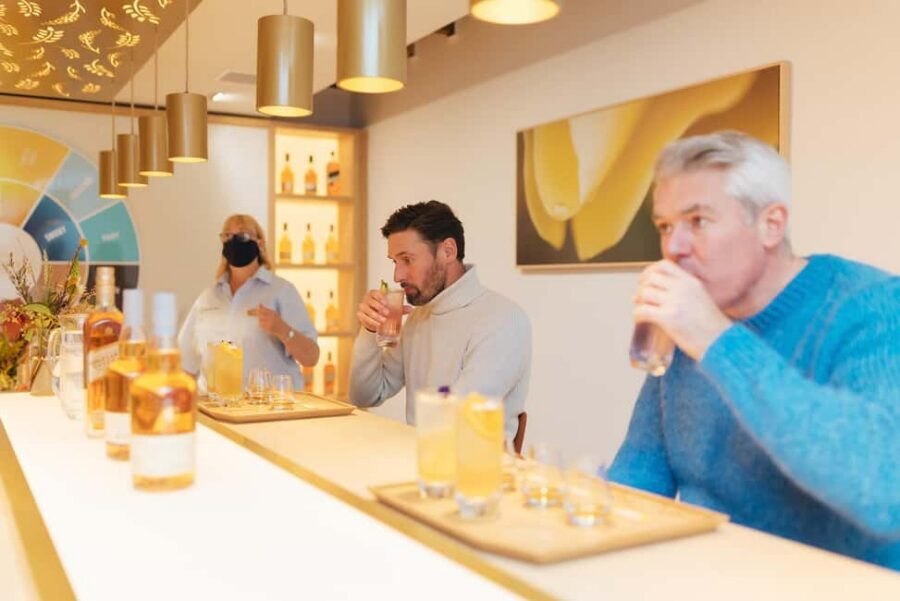
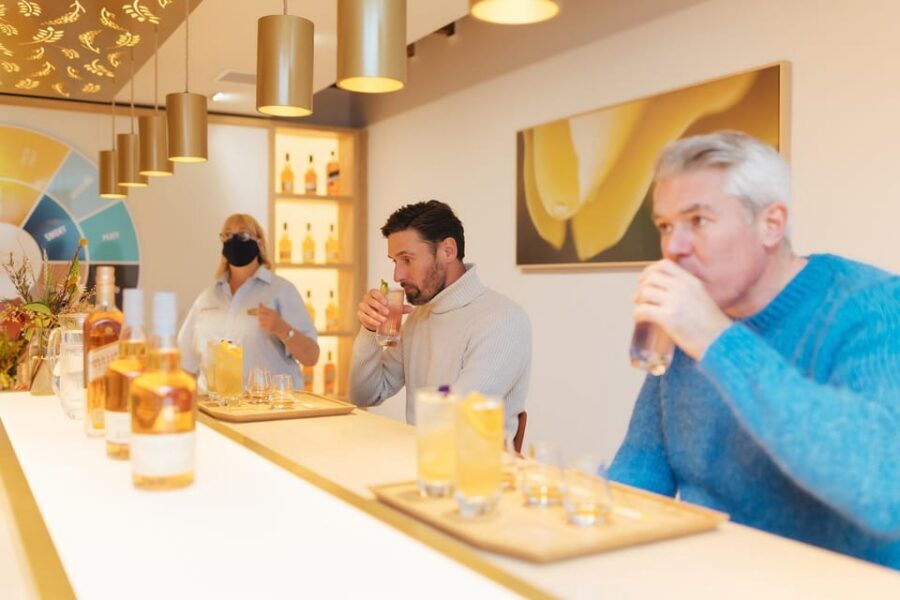
The finish is the Tasting Room, where you’ll enjoy tastings of three whiskies plus a small cocktail. The small cocktail isn’t a random add-on—it’s part of the guided wrap-up, giving you a different angle on flavor and balance after the main flight.
The tasting is described as well choreographed, and that’s exactly what you want. When a tasting is organized, you don’t just wander from glass to glass. You learn how to compare.
One practical detail you may appreciate: the tasting sequence includes moments for you to appreciate the aroma before pouring. That helps you pick up nuances you would otherwise miss. Aroma is where a lot of whisky personality lives, and this format nudges you to use it.
Also, guides like Kirsty and John W are called out for making the tasting feel guided rather than awkward. If you’ve ever been handed a lineup and left to figure it out alone, you’ll probably enjoy this one more.
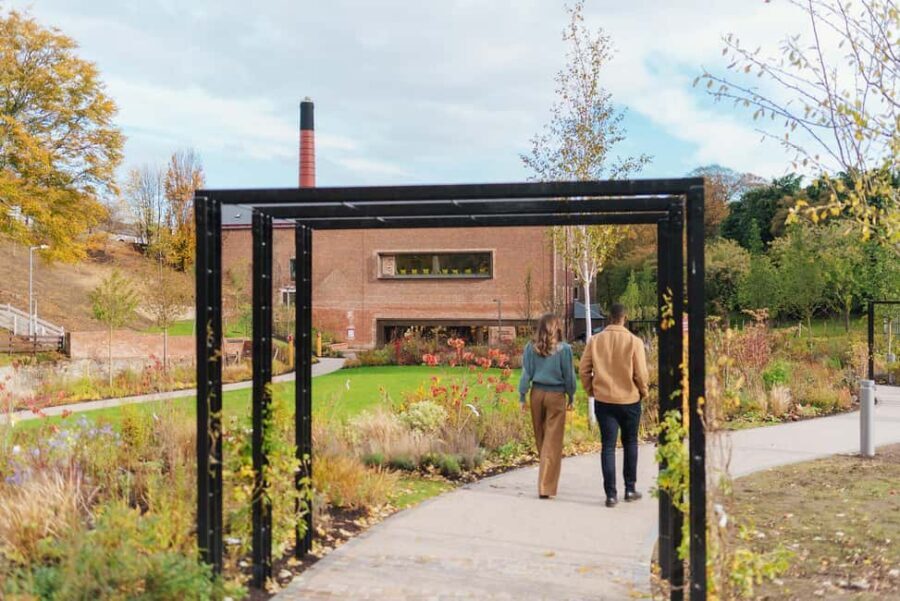
If weather is cooperative, you may get a chance to enjoy outside seating at the distillery area—some feedback mentions outside space when conditions allow.
How to taste like the tour is trying to teach you
You’ll get the most out of the tasting if you treat it like a comparison exercise, not a finish-line. Here’s a simple approach that matches the way the tasting is set up:
- Smell first, then taste. Even a few seconds changes what you notice.
- Take notes in your head: sweetness, fruit, spice, graininess, dryness. Keep it simple.
- Let each whisky reset your palate before you move to the next.
And because there’s a cocktail too, plan for a little extra drink time at the end. This is still a 1.5-hour experience, so it moves at tour pace rather than leisurely café pace. If you want to linger after, you’ll need to do that on your own once the guided portion ends back where you started.
Tip: bring your comfortable shoes and expect to be standing during the tour. Then give your body a moment to settle before you start serious sipping.
Price and value: what $28 buys you in plain terms
At $28 per person for about 1.5 hours, you’re paying for three things bundled together:
1) A guided tour of a working distillery
2) A tasting flight of 3 whiskies
3) A small cocktail
That makes the price easier to justify than a basic walk-through. The tasting is the expensive-sounding part on its own, and here it’s included with guidance. You’re not just getting permission to drink; you’re getting a structured way to learn.
The best value comes from the quality of the guide. When feedback highlights guides as funny and well-informed, that directly affects your experience. The more the guide helps you connect process to flavor, the more the money turns into understanding—not just sips.
If you’re doing multiple Scotch stops in Scotland, this one is a strong candidate because it’s short, structured, and finishes with a focused tasting rather than an unstructured shop stop.
Who this tour fits best (and who should plan carefully)
This tour is a great choice if you want:
- A distillery tour with more than equipment spotting
- A guided whisky tasting with 3 tastings rather than one pour
- A story tied to East Lothian and the field-to-glass idea
- A sensory style that keeps your attention
It’s also a decent pick if you’re visiting with a partner. The flow is predictable: tour, then tasting, then you’re back at the start point.
Plan carefully if:
- You’re not comfortable with sensory and special effects.
- You’re traveling with children under 8 years old. This experience isn’t suitable for them.
Wheelchair accessibility is noted, which is a big plus. You’ll still want comfortable shoes for the walking that comes with any distillery tour.
My decision guide: should you book Glenkinchie?
I’d book this if you want a guided, short-format distillery experience with a tasting that teaches you how to notice differences. The sensory staging is a real advantage when you’re trying to remember what you’re seeing, and the inclusion of 3 whiskies plus a small cocktail makes the timing feel satisfying instead of cut short.
You might skip it if special effects or sensory elements are a deal-breaker for you. Also, if you prefer ultra-serious, low-stimulation tastings with no staging at all, this may feel a bit too show-and-learn.
But if you’re game for learning through senses—and you want a well-organized tasting at the end—Glenkinchie in Tranent is an easy yes.
FAQ
FAQ
How long is the Glenkinchie Distillery tour and tasting?
It lasts about 1.5 hours. Starting times depend on availability.
How many whisky tastings are included?
You’ll have tastings of 3 whiskies.
Is a cocktail included?
Yes. You get 1 small cocktail as part of the tasting experience.
What language are the tours in?
The tour guide provides the tour in English.
Is the tour wheelchair accessible?
Yes, it is listed as wheelchair accessible.
Is this tour suitable for children?
It is not suitable for children under 8 years old.
What should I bring with me?
Bring a passport or ID card, and wear comfortable shoes.
Where does the tour start and end?
The tour starts at Glenkinchie Distillery and ends back at the meeting point.
Is there a cancellation window?
Free cancellation is available up to 24 hours in advance for a full refund.