REVIEW · WALKING TOURS
Edinburgh: Crime and Punishment Walking Tour
Book on GetYourGuide →Operated by Walk The Old Town · Bookable on GetYourGuide
A city can be funny and creepy at the same time. This Edinburgh crime and punishment walking tour uses handmade historical costumes and real Old Town landmarks to tell Scotland’s most infamous stories in about 1.5 to 2 hours. It’s built for people who like their sightseeing with motive, mayhem, and a guide who clearly loves the details.
I especially like the small-group vibe (max 15), which keeps the stories tight and your questions welcome. And I like that the tour doesn’t just point at places, it connects them to cases like Burke and Hare and Deacon Brodie while you walk past St Giles, the Writers’ Museum area, Greyfriars Kirkyard, and more. One drawback: you’ll be outside for stretches on cobbles and in busy central streets, so wear a real jacket and expect some noise.
In This Review
- Quick hits before you go
- Where the tour starts: St Giles’ Cathedral and the practical stuff
- Why Edinburgh’s Old Town fits true crime so well
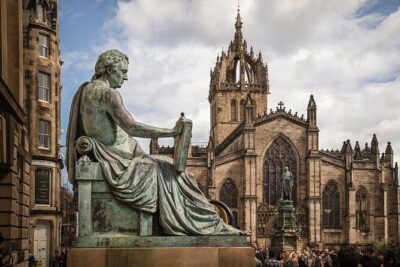
- St Giles’ Cathedral: executions, justice, and the kind of silence you notice
- Royal Mile and the Writers’ Museum: when famous names meet dark outcomes
- Johnston Terrace, Victoria Street, and the closes: backstreets for the sneaky stories
- Grassmarket and West Parliament Square: when politics turns nasty
- Greyfriars Kirkyard and Greyfriars Bobby: bodies, fear, and memory in stone
- Deacon Brodie’s double life: respectability as the scariest disguise
- George IV Bridge and finishing at St Giles: keep the theme going
- Price and value: is $24 worth it?
- Who this tour is best for (and who should think twice)
- Should you book Edinburgh: Crime and Punishment Walking Tour?
- FAQ
- Where is the meeting point for the tour?
- How long is the Edinburgh crime and punishment walking tour?
- How much does the tour cost?
- What’s included in the price?
- What is not included?
- Is the tour wheelchair accessible?
- What language is the tour in?
- Is the tour running rain or shine?
- Are pets allowed?
- Is free cancellation available?
Quick hits before you go

- Costumed guide Charlotte brings the stories to life with period performance, not just facts.
- Old Town UNESCO walk links executions, body snatching, and street crime to places you can still see.
- Burke and Hare + Deacon Brodie get anchored to actual Edinburgh stopovers.
- Greyfriars Kirkyard is a standout for grave-robber and body-snatcher tales.
- Local concierge recommendations help you keep the theme going after the tour.
Where the tour starts: St Giles’ Cathedral and the practical stuff

Meet at the main entrance of St Giles’ Cathedral. Your guide (dressed in costume) will be carrying an umbrella, so it’s easy to spot even if Scottish weather decides to audition.
This is the kind of tour where what you wear matters. Bring a jacket and treat the umbrella as gear, not an optional accessory. A camera helps too; the route includes several Instagram-friendly photo stops, especially around the churches and cemetery areas.
Good to know for logistics: the route is described as wheelchair and mobility scooter accessible, and it’s said to work for all fitness levels at a relaxed pace. If you’re traveling with a pet, this is one of the friendlier experiences I’ve seen listed: it says all pets are welcome as long as you can safely carry them outdoors, with water access provided on route.
You can also read our reviews of more walking tours in Edinburgh



Why Edinburgh’s Old Town fits true crime so well

Edinburgh’s Old Town is the star here, and the format makes sense. You’re walking through the UNESCO World Heritage core, which means the stone, closes, and landmark density do a lot of the heavy lifting for storytelling. Instead of hearing a theory, you’re seeing the geography that shaped crime and justice in earlier centuries.
Also, the tour’s approach is performance plus place. That matters because true crime is more than the worst thing that happened. It’s the human pattern behind it: respectability versus criminal life, fear versus rumor, and punishment versus politics. When those themes are tied to specific stops, the stories stick.
St Giles’ Cathedral: executions, justice, and the kind of silence you notice
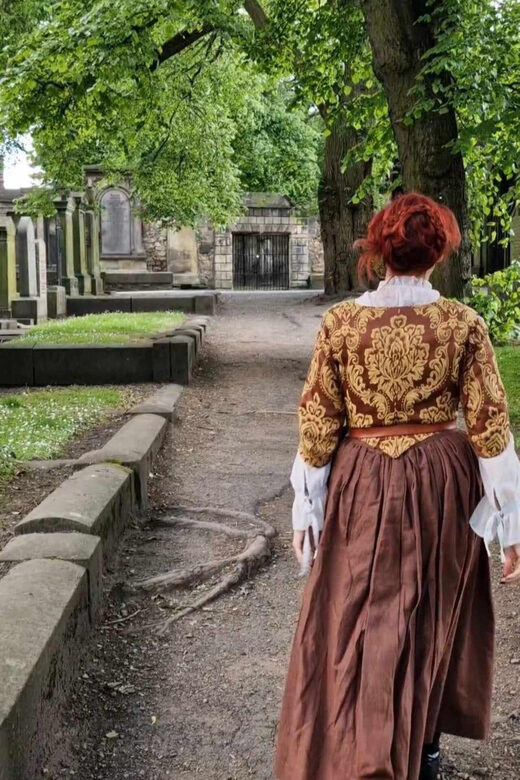
St Giles’ Cathedral is more than a pretty building on the Royal Mile. It’s framed on this tour as a public-execution witness site, which gives the stop real weight. Even if you don’t know the background going in, the guide’s storytelling angle helps you connect the cathedral setting to the idea of justice being staged for the public.
This is also one of the easiest places to orient yourself. The cathedral area helps you understand why Edinburgh’s famous streets feel so tightly packed and why crowds mattered. If you’re a fan of true crime, this is the “okay, we’re not messing around” moment of the walk.
Royal Mile and the Writers’ Museum: when famous names meet dark outcomes
The walk continues onto the Royal Mile, which is where the tour keeps that historical rhythm going. Expect a mix of famous geography and cautionary tales—think about how quickly word traveled, how visibility worked, and how a city’s reputation could hide secrets.
Then comes the Writers’ Museum, presented as a place where literary legends met darker fates. That wording matters. It nudges you to look at the Writers’ Museum not just as a cultural stop, but as a reminder that creativity and danger coexisted in the same city. If your idea of true crime is strictly murders, this stop broadens it to include scandal, risk, and the darker side of social life.
Tip: If you’re sensitive to the heavier historical themes, pace yourself here. The guide’s style sounds lively and engaging, but the subject matter stays serious.
Johnston Terrace, Victoria Street, and the closes: backstreets for the sneaky stories
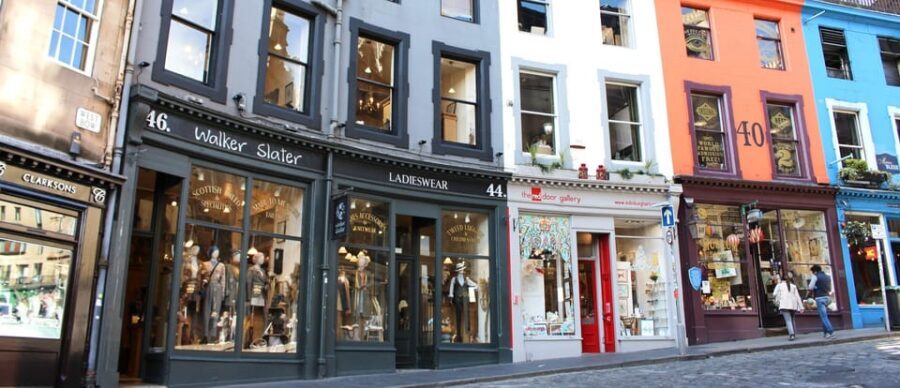
The tour includes several Edinburgh street segments—Johnston Terrace and Victoria Street among them—plus time moving through quieter lanes like Candlemaker Row. This is where the walking tour format really pays off. Street design isn’t just scenery; it’s part of how crime was possible: routes to get away, spots where people could watch, and corners where anonymity could grow.
Candlemaker Row and similar closes are especially good for stories that need atmosphere. You’re not just learning what happened; you’re learning how a city felt when you had something to hide. The guide’s historical costume performance helps too, because it signals that you’re stepping into an older Edinburgh—not browsing a museum label.
One practical note from the nature of these streets: the center areas can get busy. If you’re on a louder stretch, you may hear the more theatrical parts less clearly, so angle your body toward the guide and try to keep close during the story beats.





Grassmarket and West Parliament Square: when politics turns nasty
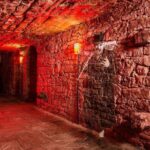
The tour route is described as including Grassmarket, and it also points to West Parliament Square as a setting tied to political murders. That’s a smart pairing because it shifts true crime beyond the street level.
Grassmarket brings a strong sense of “public space,” the kind of area where people would gather, rumors would travel, and enforcement could feel immediate. When the tour connects that energy to political violence, you get a fuller picture: crimes weren’t only about individual villains. They were also about power, fear, and who controlled the narrative afterward.
Greyfriars Kirkyard and Greyfriars Bobby: bodies, fear, and memory in stone
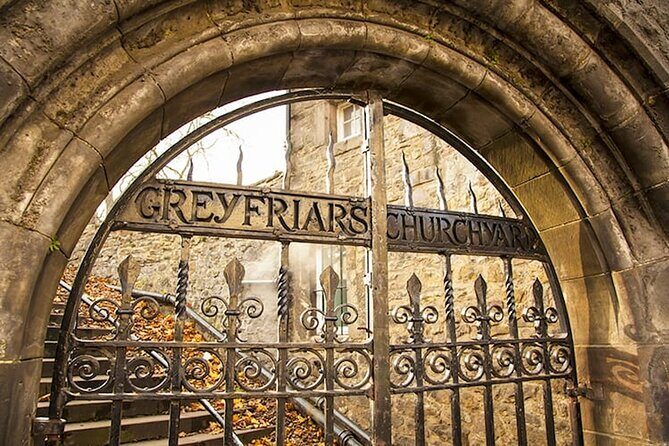
The emotional center of the tour for many people is Greyfriars Kirkyard. Here, the stories focus on body snatchers and grave robbers. That’s the world of Burke and Hare, and also the larger culture of stolen bodies and shocked communities.
This stop works because it’s anchored in a real place where the past still feels present. Walking through a churchyard with a guide narrating the body-snatching angle turns the history into something physical—cold stone, heavy silence, and the discomfort of realizing how vulnerable the dead could be.
Then you’ll also see the Greyfriars Bobby Statue. This is a nice contrast moment. After the darker material, the Bobby stop gives you a more human, memorable Edinburgh symbol—one that helps you process everything you just heard instead of carrying it like a weight the whole way.
Deacon Brodie’s double life: respectability as the scariest disguise
Another highlight is the story of Deacon Brodie’s double life. This is the kind of case that fits Edinburgh because it targets the tension between status and criminal behavior. The guide’s job here is to show how someone could move through normal society while hiding a second self.
What I like about including Deacon Brodie is that it prevents the tour from becoming only about one type of crime. You get body snatching and execution-era justice, yes—but you also get the social mechanics of wrongdoing: reputation, opportunity, and the way people can misread each other.
Even if you’re not a true crime superfan, this is often the moment that makes the whole walk feel personal. It’s not just history; it’s a warning about how easily people trust what looks respectable.
George IV Bridge and finishing at St Giles: keep the theme going
The tour wraps back toward St Giles’ Cathedral, with stops that include George IV Bridge along the way. Ending near the start is practical, but it also lets the story “close” in a way that feels tidy.
One of the more useful extras is the local concierge recommendations your guide provides—crime-themed attractions, mysterious pubs, and hidden historical sites you can pursue afterward. This is where a good guide earns their keep. A tour like this shouldn’t just scare you for a couple hours and send you home. It should give you a smart plan for the rest of your evening and help you keep seeing Edinburgh through a darker lens.
Price and value: is $24 worth it?
At $24 per person, this tour sits in the category of experiences that are easy to justify if you like stories more than checklists. You’re paying for a few concrete things:
- A professional storytelling guide (and the notes say the guide is in handmade historical costume).
- A small group size (max 15), which usually means less waiting and more room to ask questions.
- Multiple notorious crime-scene locations tied to the main cases (and more than just one quick photo stop).
- A local concierge add-on to help you turn one tour into a longer day.
If you’re on a tight schedule, the duration listed as about 1.5 hours and also described as a 2-hour guided walking tour means you should plan on roughly that neighborhood of time. For the time investment, $24 is a fair trade if you want atmosphere plus context.
If you’re looking for pure museum-style information, you might find it more narrative than reference book. But for most people who come to Edinburgh for character, $24 is a solid value.
Who this tour is best for (and who should think twice)
This experience is a great match if:
- You like true crime stories tied to real places.
- You enjoy history, especially the darker side: executions, grave robbery, political murders, and witch-trial references mentioned as part of the broader storytelling.
- You want an engaging guide with a sense of humor. The reviews highlight that Charlotte’s energy keeps the walk fun without turning the subject into silliness.
Think twice if:
- You dislike grim historical topics. This tour is built around murder mysteries and criminal conspiracies.
- You’re very hard of hearing in noisy areas. Some central sections can be busy, and the more theatrical storytelling pieces can get lost if you’re far from the guide.
Should you book Edinburgh: Crime and Punishment Walking Tour?
I’d book it if you want Edinburgh that feels lived-in, not just photographed. The combination of handmade costuming, small-group attention, and anchored stops like St Giles’ Cathedral and Greyfriars Kirkyard makes this more than a generic “dark history” walk.
I’d hold off if you’re only interested in light sightseeing, or if you’re worried about being out in crowds and on cobbles with heavy subject matter. But if you can handle a chill dose of Scottish history and you like your stories with motive and atmosphere, this is an excellent way to spend a compact chunk of your trip.
FAQ
Where is the meeting point for the tour?
Meet at the main entrance of St Giles’ Cathedral.
How long is the Edinburgh crime and punishment walking tour?
The duration is listed as 1.5 hours, and the experience is described as a 2-hour guided walking tour.
How much does the tour cost?
It’s $24 per person.
What’s included in the price?
You get an expert local guide in authentic historical costume, a guided walking tour through Old Town, a small-group experience (maximum 15 people), visits to 5+ crime-scene locations, professional true-crime storytelling, local concierge recommendations, and relaxed pacing. The tour also includes rain or shine coverage and Instagram-worthy photo opportunities.
What is not included?
Wheelchair rental is not included. Entry fees to attractions are not included (recommendations only). Food and drinks and transportation to the meeting point are also not included.
Is the tour wheelchair accessible?
Yes. The route is described as wheelchair and mobility scooter accessible, and it’s said to work for all fitness levels.
What language is the tour in?
The live tour guide speaks English.
Is the tour running rain or shine?
Yes, rain or shine is included.
Are pets allowed?
Yes. The tour is listed as pet-friendly with all pets welcome as long as they can safely be carried outdoors. Water access is provided on route.
Is free cancellation available?
Yes. Free cancellation is available up to 24 hours in advance for a full refund.