REVIEW · EDINBURGH
Scotland: Orkney and Northern Coast 5-Day Tour
Book on GetYourGuide →Operated by Rabbie's Small Group Tours · Bookable on GetYourGuide
Cold wind, ancient stones, real stories. This 5-day run takes you to Orkney and the far northern edge of Scotland, with stops built around Skara Brae and Maeshowe plus the big Highland hits like Loch Ness and Culloden. I love how the itinerary mixes dramatic scenery with hard-to-forget prehistoric and Norse history, and I also like that the group stays small—so the driver-guide can pace breaks and answer questions. One thing to think about: you’ll be walking most days, sometimes on uneven ground, and your B&B rooms are en suite but often outside town centers, meaning a short walk to pubs and meals.
You start in Edinburgh, swing through Stirling and the Great Glen, then cross the Pentland Firth by ferry to Orkney. After two nights in Kirkwall, you’ll see the major prehistoric sites, sail back, and spend the final days tracing the very top of Scotland down to Culloden and the Cairngorms.
In This Review
- Key highlights you’ll feel right away
- Price and what you’re really paying for
- The pace: what a 5-day “northern limits” trip feels like
- Day 1: Edinburgh to Inverness via Stirling and Rannoch Moor
- Day 2: Black Isle to John o’Groats, then Orkney by ferry
- Day 3: Skara Brae, Brodgar, Stenness, and Maeshowe on Orkney
- Day 4: Back to the mainland over the top—Ben Loyal, Ben Hope, and Assynt
- Day 5: Corrieshalloch Gorge, Clava Cairns, and Culloden, then back to Edinburgh
- Transportation, comfort, and room reality (B&Bs outside town)
- How the guide changes the trip (and why it’s a big deal here)
- Who this tour suits (and who should look elsewhere)
- Should you book it?
- FAQ
- How many people are in the group?
- What’s included in the price?
- Are meals included?
- Will you definitely visit John o’Groats?
- What time do you return to Edinburgh on the final day?
- What’s different on Day 5 between late October and late March?
Key highlights you’ll feel right away
- Small-group pace (max 16) with a live English driver-guide who actually talks history, not just facts
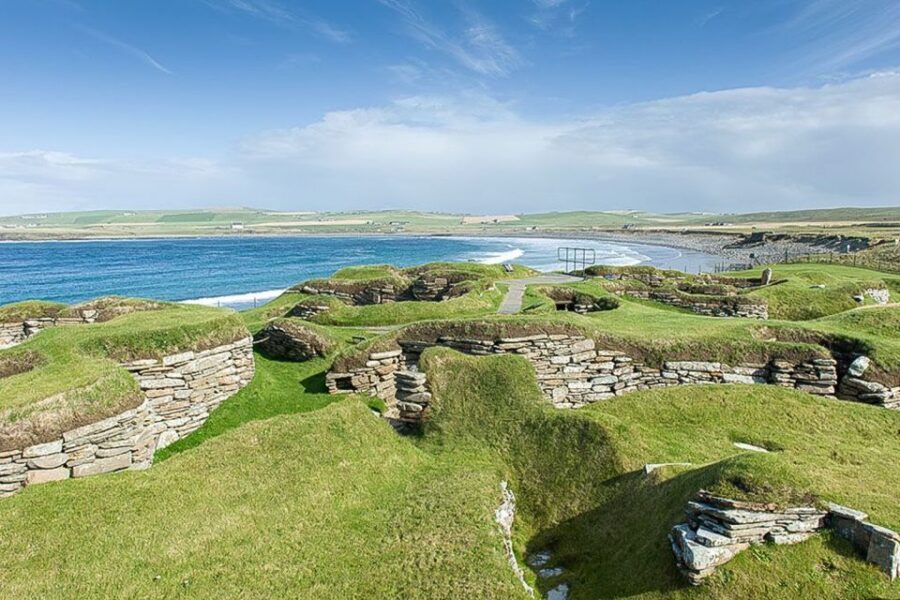
- Orkney’s “big three”: Skara Brae, Stenness, Brodgar, plus Maeshowe with Viking runic inscriptions
- Norse-to-Highlands contrast: golden sands and North Sea air one day, Culloden’s sobering ground the next
- Far-north mainland drive with stops near Ben Loyal, Ben Hope, and Assynt’s dramatic hills
- Guides with strong storytelling—names like Catty, David, Alan, and Alister show up in guide praise for humor and care
- Real-world logistics built in: ferry timing can affect John o’Groats and morning time in Kirkwall
Price and what you’re really paying for
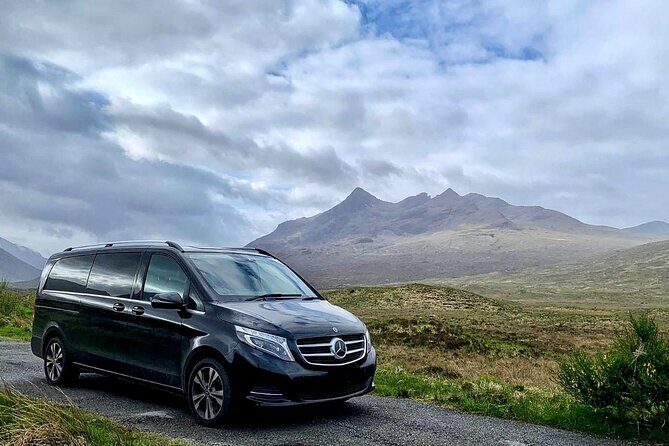
At $1,296 per person for 5 days, this isn’t a budget hop. You’re paying for the mix that costs money in Scotland: a private-style Mercedes mini coach, a live driver-guide, four nights of B&B (en suite), and key admissions (Maeshowe, Skara Brae, Culloden Museum and Battlefield).
The value comes from what’s included versus what isn’t. You’ll get the major ticketed sites handled, but meals and refreshments are not included, so you’re free to eat at local spots when and where it makes sense for you. That freedom matters on a trip like this, because timing around ferry crossings and sightseeing stops can shift day to day.
Also, this tour limits the group to 16 participants. That’s not just comfort—it affects how often you can get a quick answer from the guide and how smoothly the coach can stop for viewpoints and short walks.
You can also read our reviews of more tours and experiences in Edinburgh
The pace: what a 5-day “northern limits” trip feels like
This route is built around long scenic drives plus a few concentrated walks. Expect a rhythm like: travel, a stop for photos and context, a brief stroll, then more time on the road. You won’t be stuck in a single city all week—you’ll be moving enough that jet-lag feels less of an issue, but fatigue can sneak up on you.
Practical tip: bring comfortable shoes and dress in layers. Northern Scotland weather can change fast, and some ground around stone sites and gorges can be uneven.
Day 1: Edinburgh to Inverness via Stirling and Rannoch Moor
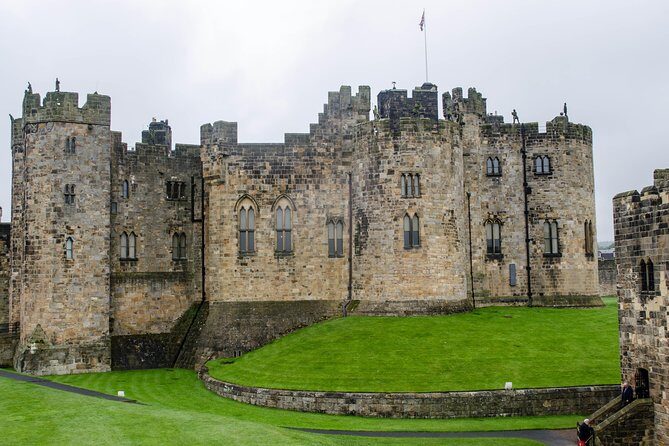
Your first day starts with a westbound push from Edinburgh, with quick but meaningful stops. You’ll pass Stirling Castle and the Wallace Monument, then continue to Doune Castle—the one used as a location for Monty Python’s Holy Grail. Even if you’re not a film buff, it’s a fun way to see a real castle setting before you head deeper into Highland mood.
You’ll also stop for refreshments in Callander, which is the kind of small-town break that helps your energy. Then the drive turns remote: you’ll travel over Rannoch Moor, with views tied to an extinct volcano—and yes, this area is also connected to the Clan Macdonald massacre of 1692. That detail matters because it turns the scenery into a story you can place in time.
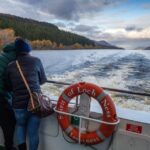
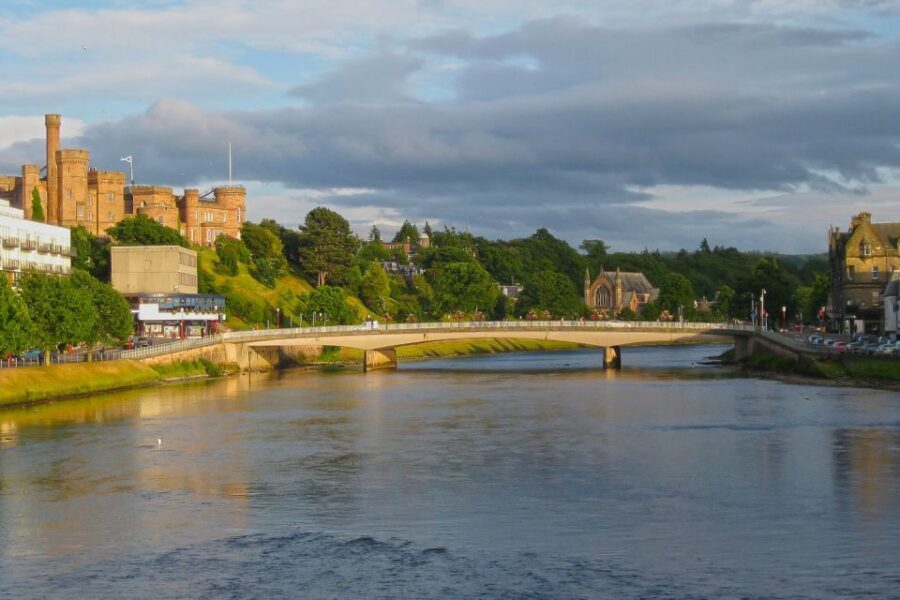
From there, you’ll head up the Great Glen to Loch Ness. The trip includes time for a Nessie search—meaning you’ll have actual opportunities to pull over and look around, not just a drive-by. In the evening, you arrive in Inverness with free time to explore, often useful for getting your first real Highland dinner plans sorted.
Consideration for Day 1: you’re starting after travel and museum-free days depend on finding the right food options quickly. Since meals aren’t included, it helps to have a plan for lunch and snacks before you get tired.
Day 2: Black Isle to John o’Groats, then Orkney by ferry
Day 2 begins early from Inverness. You’ll cross the Black Isle, pass Dunrobin Castle, and then head for Scotland’s northeast coastline—big scenery, and the kind of roads where the guide can call out viewpoints and wildlife possibilities.
You might see things like golden eagles and red deer. Even if you don’t, the value is in how the guide frames what you’re looking at: old landscapes, coastal angles, and why this part of the coast feels so exposed to weather.
Then comes the real “start of the trip” moment: near John o’Groats, you board the ferry to cross the Pentland Firth to Orkney. This water crossing is short, but it’s an important mental shift—you’re leaving mainland rhythm behind.
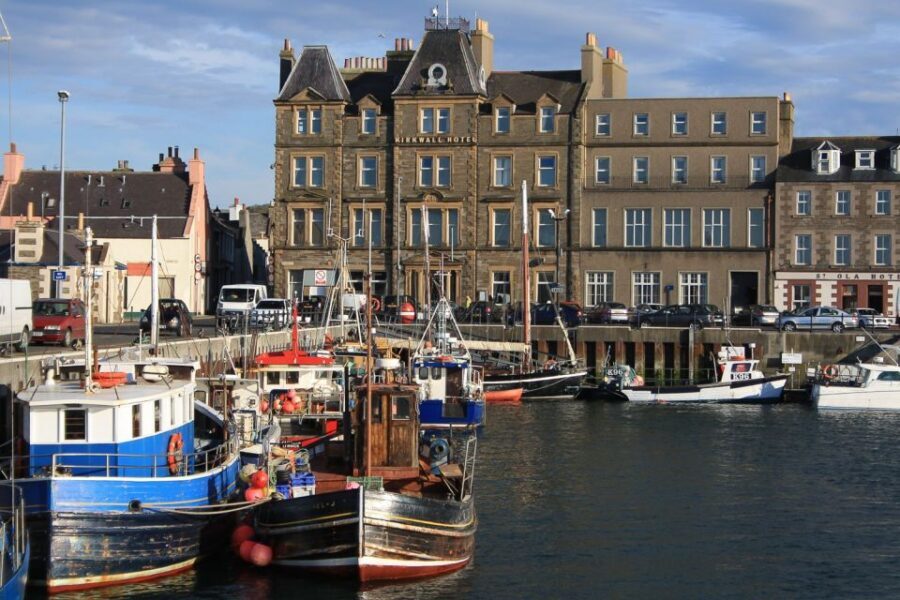
When you arrive, you’ll make a quick stop at the Italian Chapel, then continue on to Kirkwall. You’ll stay here for the next two nights, and you’ll get time to explore the town center—winding streets, local life, and Kirkwall’s famous Viking cathedral.
One logistics note that affects your day: ferry timetables vary by season. That can mean a John o’Groats visit might not happen at all on certain departures, and on some days you may have less time in Kirkwall morning. If you’re set on a specific stop, keep flexibility.
Day 3: Skara Brae, Brodgar, Stenness, and Maeshowe on Orkney
Orkney day is where the trip turns into something you can’t easily replicate on your own. You start with Orkney’s contrasts: fertile green pastures near golden sand shores, with the North Sea and Atlantic shaping how the islands feel.
Your major prehistoric sequence is straightforward and powerful:
- Skara Brae: a preserved prehistoric settlement. This is the kind of place that makes you slow down because it’s not just ruins—it’s a layout you can picture people living in.
- Brodgar and Stenness: standing stones that give you that “how did they do this?” feeling. You’ll see both Brodgar’s stone circle area and the stones at Stenness.
- Maeshowe: the standout for many people. It’s where you’ll learn about Vikings leaving a major set of Norse runic inscriptions in the 12th century.
What I like about this day is that it doesn’t treat Orkney like a checklist. The sites are spaced so your brain can switch eras: prehistoric living, monumental stone building, then later Norse influence. It makes Orkney feel like one long conversation across centuries.
What to watch for: walking comfort. Stone sites often mean uneven pathways and standing around for views. Build in slow moments and don’t plan to rush from one spot to the next even if the coach clock is moving.



Day 4: Back to the mainland over the top—Ben Loyal, Ben Hope, and Assynt
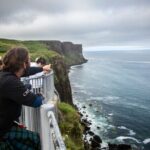
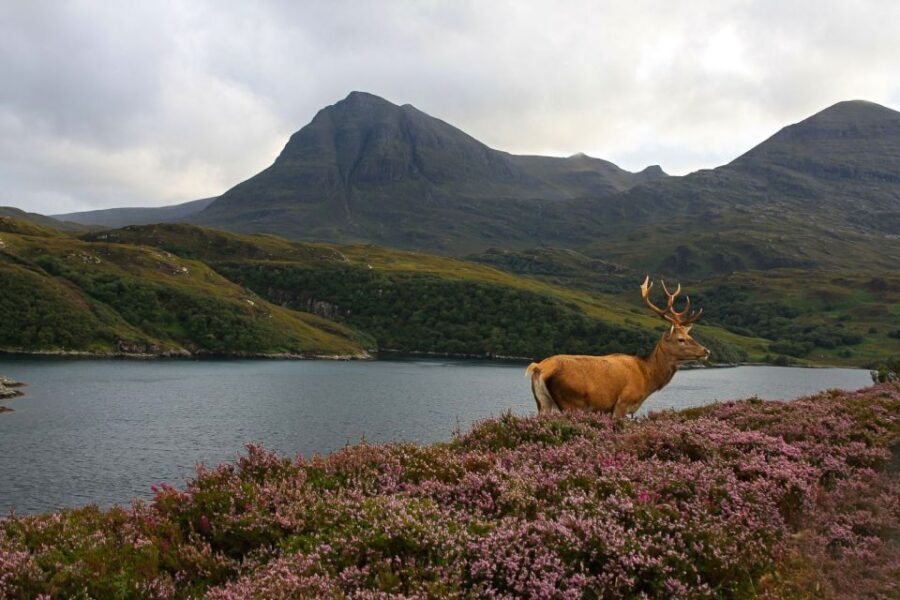
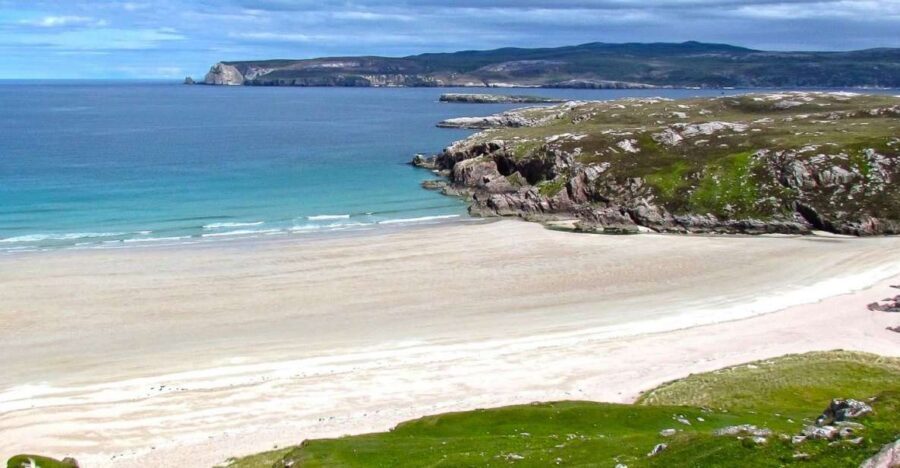
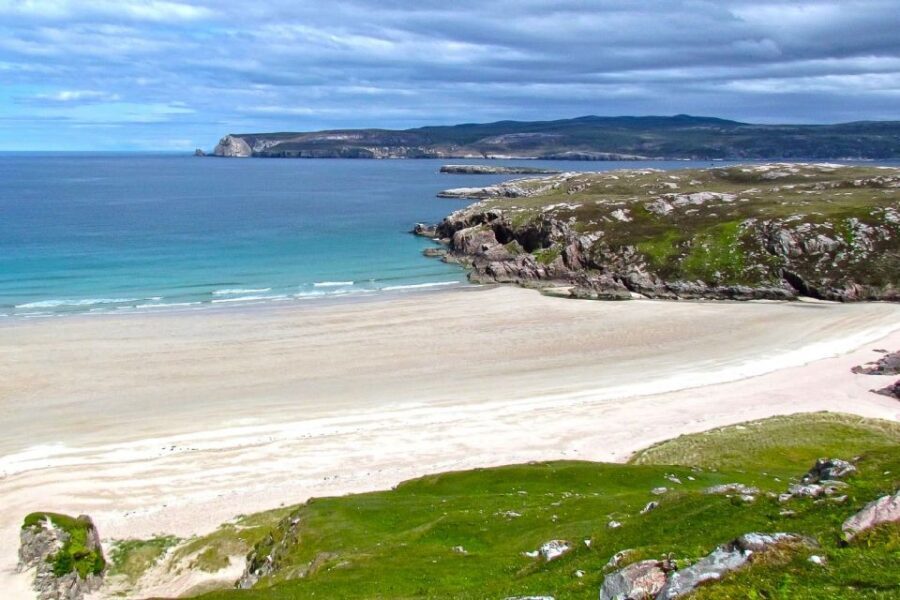
You sail back across the same Viking waters on Day 4, and then you drive across the very top of Scotland. You’ll pass Ben Loyal and Ben Hope, then track the northern coastline where you get rocky cliff drama and stretches of golden sand beaches.
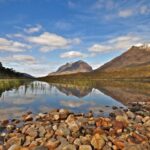
After that, the mood shifts again as you move into Assynt. The wild Assynt mountains are the kind of scenery that makes you stop talking for a second, because it’s hard to “describe” what you’re seeing. You’ll also pause at the 15th-century ruins of Ardvreck Castle, which gives you a historic anchor in an otherwise rugged setting.
Your final night is in Ullapool, at the mouth of Loch Broom. Ullapool is whitewashed and fishing-town practical—good for a relaxed evening, and useful because it’s a natural launch point for your final day’s stops.
Practical note: this is another full drive day. If you get motion sick, consider bringing something from home. The roads can be curvy, and you’ll likely spend a lot of time seated during coastal stretches.
Day 5: Corrieshalloch Gorge, Clava Cairns, and Culloden, then back to Edinburgh
The last day stacks meaning into a few focused stops. You’ll start with Corrieshalloch Gorge, which is the kind of place where the power of the setting is visible even if you’re not a geology nerd. Then you’ll visit Clava Cairns, a different slice of ancient Scotland—more about burial landscapes and stone work than big castles.
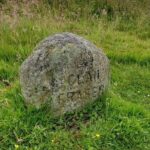
Then you go to Culloden: the battlefield and the Culloden Museum. This is the emotional weight of the week. Unlike the prehistoric sites, Culloden is modern history in the sense that it connects directly to the clans, conflict, and consequences you’ve heard about in stories. It’s worth giving it your full attention.
After Culloden, you return south through Cairngorm National Park, with stops that may include Caledonian pine forests in Highland Perthshire before you’re dropped back in Edinburgh.
Timing: your return is around 19:00 on Day 5.
One date-specific heads-up: between 24 October 2025 and 31 March 2026, the trip won’t be able to visit the Highland Folk Museum. You’ll spend extra time at other stops instead, so the overall structure stays intact.
Transportation, comfort, and room reality (B&Bs outside town)
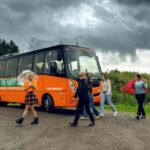
You travel by Mercedes mini coach with your driver-guide. The small group matters because it reduces friction—less waiting for everyone, more freedom for quick stops.
Your accommodation is bed and breakfast, four nights, with en suite rooms. The common catch is location: B&Bs are often on the outskirts of towns, and you should expect a 20–30 minute walk to pubs and restaurants. If you don’t want to walk that far after a long day, plan ahead—either choose a dinner closer to your B&B (if available) or build the walk into your evening routine.
If you have trouble with stairs, let the operator know. Lifts aren’t available in these smaller guesthouses.
Also note: oversize luggage isn’t allowed. If you’re used to bringing a big rolling suitcase, switch to something smaller and easier to lift.
How the guide changes the trip (and why it’s a big deal here)
This kind of itinerary lives or dies by the guide. The best parts aren’t just where you go—it’s why you’re there and how quickly you get your bearings.
In the feedback, guides like Catty, David, Alan, and Alister get praised for strong storytelling, humor, and fast answers. That matters on a route like this because you’re stacking eras: prehistoric stonework, Norse inscriptions, and then Highland conflict. A good guide keeps all those threads from turning into a random pile of stops.
If you’re the kind of traveler who asks questions—about how Viking life connects to later Scotland, or why a certain view mattered—this tour format should suit you. The pacing and coach size make it easier to talk without feeling rushed.
Who this tour suits (and who should look elsewhere)
This works best for you if:
- you love history you can walk through, from stone circles to battlefields
- you’re comfortable with daily walking and cool weather
- you want Orkney without the hassle of organizing ferries and ticketed sites yourself
- you like scenic driving but still want structured stops
It may be less ideal if:
- you hate walking on uneven ground
- you want all meals provided and zero schedule pressure
- you need elevator access (the B&Bs are typically small, and stairs are common)
Children under 5 aren’t included on this trip.
Should you book it?
I’d book this if you want a focused Orkney + northern coast experience with real guided context. The Orkney portion is the headline because the key sites are built in and ticketed entries are included, and the rest of the week connects those ancient islands to the mainland’s big Highland moments like Loch Ness and Culloden.
If you’re on the fence, decide based on your tolerance for movement. This isn’t a sit-and-sip tour. You’ll walk, you’ll drive, and you’ll climb out of the comfort zone of single-city sightseeing. But if you like the feeling of getting farther north each day, this route delivers that in a big way.
FAQ
How many people are in the group?
The tour runs as a small group with a maximum of 16 participants.
What’s included in the price?
Included are transportation by Mercedes mini coach, a driver/guide, 4 nights of bed and breakfast, and admissions to Maeshowe, Skara Brae, and Culloden Museum and Battlefield.
Are meals included?
No. Meals and refreshments are not included, so you’ll want to plan for lunch and snacks on your own during sightseeing stops.
Will you definitely visit John o’Groats?
Not always. Because ferry timetables vary by season, a visit to John o’Groats on Day 2 may not be possible on some departures.
What time do you return to Edinburgh on the final day?
On Day 5, you return at approximately 19:00.
What’s different on Day 5 between late October and late March?
Between 24 October 2025 and 31 March 2026, the tour won’t be able to visit the Highland Folk Museum. Instead, you’ll spend more time at other stops.